How Is Stachyose 70% Powder Used in Fermented Food Production?
Stachyose 70% Powder is used in fermented food production as a prebiotic carbohydrate that formulators add to cultured dairy, plant-based yogurts, fermented teas, and probiotic drink mixes. I treat it as a supporting ingredient, not a replacement for process sugars. The powder dissolves in the liquid base before inoculation, and then lactic acid bacteria or bifidobacteria ferment the product under normal conditions. Its effect on acidity, texture, and flavor depends on the culture, the food matrix, and the process, so pilot trials come first. In this guide, I explain how to test, dose, and source it.
Understanding Stachyose 70% Powder Before Fermentation
Definition and Natural Sources
The sugar stachyose is made up of four different types and is in the raffinose family. There are three parts to it: two galactose units, one glucose unit, and one fructose unit. Its formula is C24H42O21. It is usually found in amounts of 2% to 4% in legumes like soy and mung beans. The Chinese artichoke, Stachys affinis, which is a plant, has more. It ends up in the colon, where bacteria can break it down because our bodies don't have enzymes that can do that. The International Scientific Association for Probiotics and Prebiotics (ISAPP) says that a prebiotic is a substrate that is only used by host bacteria and is good for your health. In this context, stachyose is studied. In 2013, a study using mice discovered a connection between stachyose-rich oligosaccharides and changes in the microbiota in the gut. But food that is ready to eat needs its own proof.
What does the 70% Specification Mean?
The 70% number comes from the stachyose test, which was carried out with HPLC. You don't have to eat a lot of fiber. For that reason, I always read the whole certificate of analysis. Other sugars, water, and ash can make up the rest of the powder. People in the US have to deal with this difference when it comes to food labels and advertising claims. Before you pick a label, make sure you know how the test was reported, if the ingredient can legally say it contains fiber, and which claims are right for your product. The regulatory team should be a part of the project from the start, before the first group of pilots.
Product Specification at a Glance
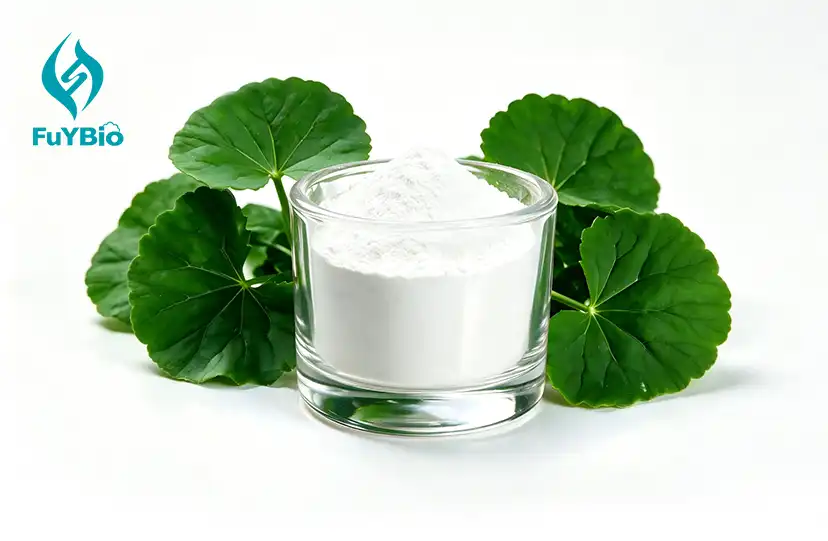
In China, sugar is taken from plants to make FuYNature Stachyose 70% Powder, a white powder. It's okay as long as it has at least 70% stachyose; it will stay good for 24 months. This place meets standards for microbiology and heavy metals. It also has certifications for ISO22000, HACCP, and HALAL. The steady output level is 1000 tons per year, which is enough to handle large requests. Stachyose is a single compound with a clear formula and molecular weight, which means scientists can check it right away. Whether a company is making a small test batch or a big batch, it is easy to measure, dry-mix, and add the powder to the premixes.
How Does Stachyose Powder Work in Fermented Foods?
Common Fermented Applications
Some fermented foods that can use Stachyose 70% Powder are dairy foods that are like yogurt, cultured oat or soy drinks, fermented teas, and probiotic drink powders. There are also synbiotic mixes that work well. According to ISAPP, these are made up of live microorganisms and things that host microorganisms choose to use. It also lists places to get lactic acid drinks, vinegar drinks, and liquids that taste like beer and don't change the taste when small amounts are added. If you need to use something sweet instead of sugar, you can't use this. These uses are just ideas for things to try; I'm not sure if they will work or not.
Interaction with Starter Cultures
It has been found that different types of lactobacilli can use many different types of oligosaccharides. In some groups, Stachyose 70% Powder is quickly broken down, but in others, it mostly stays whole. It's still likely that lactose or sugar is what makes it acidic. This means that stachyose can be used as either an extra source of carbon or a prebiotic part that stays in the final product. It can also be used for both. The only sure way to find out is to use the same strain in both the control batch and the stachyose batch. Then, use HPLC to check the acidity graphs and see how much stachyose is still there.
Process Points to Monitor
I think you should use a simple procedure. When you want, mix the powder with the base before pasteurization or inoculation. You should keep track of the rate of inoculation, the temperature, the time, the pH, the titratable acidity, and the soluble solids. Check the thickness, texture, taste, sedimentation, phase separation, and number of microbes until the product goes bad. Compare each result to the control to see how it does. These readings let your quality team know about things they can use within the company. They also show if the powder changes how acidic the food is or how it feels. Some bifidobacteria don't like air intake, so keep an eye on it if it's important.
Dosage, Solubility, and Stability in Real Formulas
Setting Dosage Through Trials
No single dose works for everyone. The right level depends on the kind of food, how much is served, the culture, the rules in the area, and the total number of carbs. Your levels of inclusion should be at least three: low, medium, and high. You should also have a control batch. Check out how fast each one ferments, how acidic it is, how it tastes, how it feels, and how well it works as a culture. Also, make sure you check the aftertaste, sweetness, and digestive tolerance. This is because oligosaccharides ferment in the colon, and too many of them can give people who are sensitive gas. Find and count all the fermentable carbs in the recipe. These could be sugars, polyols, or other fibers. To be sure of the final amount, a pilot run and a close look at the label should be used.
Solubility and Dispersion
According to the technical information from the supplier, stachyose is easy to mix with water and makes a clear solution with low viscosity. Finally, the outcome is more complicated than water, so look at how it's spread out in the real grid. Fibers, minerals, sugars, and proteins can change how long something dries and make it clump or haze. To make it easier to spread, add the powder early and stir it in. You can also mix it with other dry ingredients first. Make sure to check the particle size and mixing speed during the test run. Things that happen in small tanks don't always happen in big tanks. After the mix has cooled, look for clumping, sedimentation, and smoke.
Heat, Acid, and Storage Stability
It takes a long time to heat, keep at a low pH, and keep cold foods that have been fermented. Stability studies should be done when it makes sense. These studies should include pasteurization, acidic fermentation, keeping in the fridge or at room temperature, and freeze-thaw cycles. The seller says the item stays stable between pH 3.0 and 7.0, which is good for many fermented foods. But I always make sure this is correct in my recipes. Measure stachyose with HPLC both before and after processing to find out how much was lost. Because it soaks up water, the powder can cake up if the packaging doesn't work right. It should be kept in a cool, dry place in a package that can't get wet. You can keep this stock for 24 months.
Comparing Stachyose with Other Prebiotics
How It Differs from Inulin, FOS, and GOS?
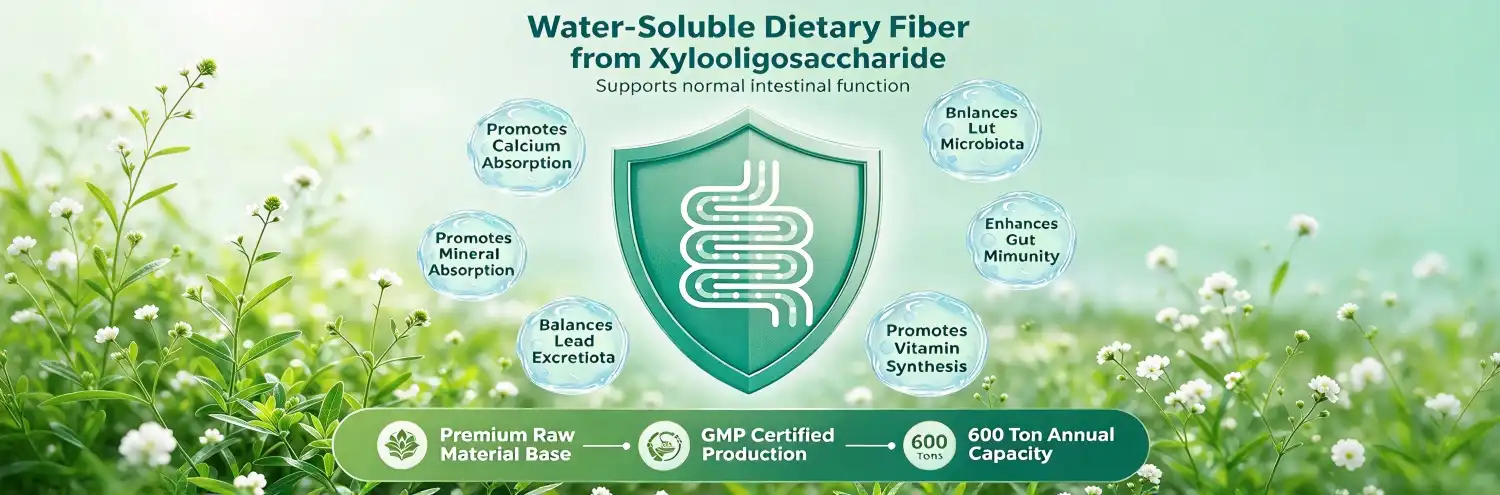
These four ingredients, including Stachyose 70% Powder, can't be changed. They are all different in terms of their molecular structure, chain length, sweetness, rate of fermentation, and texture. Inulin can be used to give things body and creaminess. FOS ferments quickly and can change how acidic or tasty something is. GOS can be found in a lot of foods and vitamins. Stachyose doesn't add much texture because it's not very sweet or thick. The level of digestibility, regulatory status, and price per serving of different foods vary. I believe that name or price alone shouldn't be used to decide what to buy because application samples give the best answer.
Matching the Ingredient to the Product
Start with what you want the product to do. For fermented tea to be clear, it needs to be clear and have a low viscosity, which makes an oligosaccharide that dissolves easily more likely. If you mix the body of Inulin with stachyose, it might help make yogurt that is smooth. It's important for a synbiotic powder to be easy to control how wet or dry it is. Then think about the working conditions, the claim strategy, the society, and the taste goal. There are people who mix more than one prebiotic to find the best balance between taste and quick fermentation. It's important to test each mix on its own. The teams that are in charge of quality, compliance, and buying will all have the same information if they write down the choice.
Common Mistakes to Avoid
A lot of mistakes are made. "Total dietary fiber" is what the 70% test is called, but it is not checked. They believe that all strains use stachyose in the same way. They don't look at the whole carbohydrate system when they set the dose. It gets clumpy because they don't check the mixing order or use moisture-barrier packaging. You shouldn't just choose based on price either, because batches that don't match, bad paperwork, failed tests, or late supplies can cost more than a slightly higher, more reliable price. You can find all of these problems in a pilot run, which is why I only use pilot data when I need to.
Quality Standards, Sourcing, and Validation
Quality Standards and Documents
The goods and the business should both be looked at by the buy teams. The most important factors are the stachyose test by HPLC, the amount of moisture, the amount of ash, the microbiological limits, the heavy metals, the pesticides, the allergens, the leftover solvents, and the GMO status. Ask for the most recent COA, specification sheet, TDS, SDS (if needed), proof of origin, and reliable data. Each license should cover the real plant and line of products. This grade has ISO22000, HACCP, and HALAL approvals. Some of the things that a good supplier should be able to do are keep track of batches, samples, and changes, and give customers a way to complain.
Bulk Buying and RFQ Details
A clear RFQ makes it easy to get quotes quickly and correctly. When the shipment will arrive, what certifications it needs, how it will be packaged, what the OEM wants, and the test and sample numbers. Incoterms, tests, packing, freight, insurance, and other costs are all added to the unit price, so don't just look at that. Ask about the MOQ, lead time, payment terms, export documents, and what to do with lots that don't meet the requirements. A steady 1000 tons of this grade are made every year, so it can handle big requests. It can be sent by air or sea. For long-haul freight, find out what kinds of packing are available and how to keep things dry.
Working with FuYNature
Factory certifications from GMP, ISO22000, HACCP, and HALAL can all be used. You can make changes to the specs and formulas, work on technical projects with other people, and get help with HPLC testing. With this mix of capacity and technical service, people who want to buy things can go from getting samples to placing full orders.
Validation Workflow from Lab to Pilot
First, test the idea in the lab with a control and a few different amounts of inclusion. You should write down the results for taste, texture, acidity, pH, fermentation time, and distribution. Use equipment that is similar to what is used in production to mix, heat treat, inoculate, ferment, fill, and store the product again on a small scale. Keep an eye on the pH, flavor, color, viscosity, microbial viability, phase separation, and movement of moisture to see how long it will last. Before you give the go-ahead, make sure that the regulations of the target market agree with what you can say, how you pack it, how many you need to buy, how you'll send it, and how you'll supply it. These steps lower the technical and business risk before the full launch.
Conclusion
You can prepare things with Stachyose 70% Powder. It's a carbohydrate made from stachyose that can be put in teas, plant-based drinks, and synbiotic mixes. Label choices need to know the full amount of fiber in the food, not just the 70% number from the HPLC test. Because the culture, matrix, pH, and heat treatment affect the results, it's important to do control batches, multi-level dosing, and pilot runs. It depends on how well the powder dissolves, stays stable, and controls the amount of water in the air that it is used for. Because stachyose, Inulin, FOS, and GOS all have different structures, looks, and ferment in different ways, each one needs its own test. The last step of the study is to look over the supplier's paperwork, licensing, packaging, and capacity. The supply chain stays open, and the quality of the product is guaranteed by data that has been checked.
FAQ
Can Stachyose Replace Sugar in Fermented Foods?
Not at all. A lot of countries add lactose or sugar to make it more acidic, so it's not very sweet. Test the results to be sure before adding it as an extra prebiotic.
What Dosage Should I Start With?
There is no one amount that works for everyone. Try a control and low, medium, and high amounts. Then, decide what to do based on how people around you respond, how well the person can handle it, and the rules in your area.
Is the 70% Value the Same as Dietary Fiber?
Not at all. The HPLC stachyose assay is discussed. Read the whole thing before making fiber claims.
Which Documents Should I Request Before Buying?
Ask for a declaration of analysis (COA), a specification sheet, a list of allergens and GMOs, microbiological data, licenses, proof of origin, and a list of allergens and GMOs. ISO22000, HACCP, and HALAL are some of the grades on this list.
Request FuYNature Stachyose 70% Powder for Your Fermented Food Line
Are you making a fermented food and need to find a good place to get Stachyose 70% Powder? You can email info@extrabroc.com with your culture system, target dosage, annual volume, where you want the product to go, and how you want it packaged. According to HPLC, ISO22000, HACCP, and HALAL tests, FuYNature stachyose is at least 70% pure. It can be sold by FuYNature, and it can be produced up to 600 tons per year. It can be stored for 24 months. You can also ask for it to be made. Visit extrabroc.com to find out more.
References
1. Nature Reviews Gastroenterology & Hepatology, 2017. Gibson et al., "Expert consensus document: The International Scientific Association for Probiotics and Prebiotics (ISAPP) consensus statement on the definition and scope of prebiotics."
2. Nature Reviews Gastroenterology & Hepatology, 2020. Swanson et al., "The International Scientific Association for Probiotics and Prebiotics (ISAPP) consensus statement on the definition and scope of synbiotics."
3. Nature Reviews Gastroenterology & Hepatology, 2021. Marco et al., "The International Scientific Association for Probiotics and Prebiotics (ISAPP) consensus statement on fermented foods."
4. Frontiers in Microbiology, 2012. Gänzle and Follador, "Metabolism of oligosaccharides and starch in lactobacilli: a review."
5. Journal of Agricultural and Food Chemistry, 2013. Li, Lu, and Yang, "Stachyose-enriched α-galacto-oligosaccharides regulate gut microbiota and relieve constipation in mice."
6. Current Opinion in Biotechnology, 2017. Marco et al., "Health benefits of fermented foods: microbiota and beyond."