How Is Broccoli Seed Extract 13% Glucoraphanin Used in Food Formulations?
Food and supplement developers use Broccoli Seed Extract 13% Glucoraphanin as a standardized powder that delivers a defined amount of glucoraphanin, the stable precursor to sulforaphane. Formulators dose it by glucoraphanin content, not by extract weight, and blend it into capsules, tablets, dry powders, sticks, and functional beverages. The powder is water-extracted, so it works with many carriers. A simple calculation guides the use level: 100 mg of glucoraphanin needs about 769 mg of a 13% powder. After that, teams confirm taste, stability, and documentation in the finished product. Here is how I would approach each step.
What Is Broccoli Seed Extract 13% Glucoraphanin and How Is It Standardized?
Composition and Product Specification
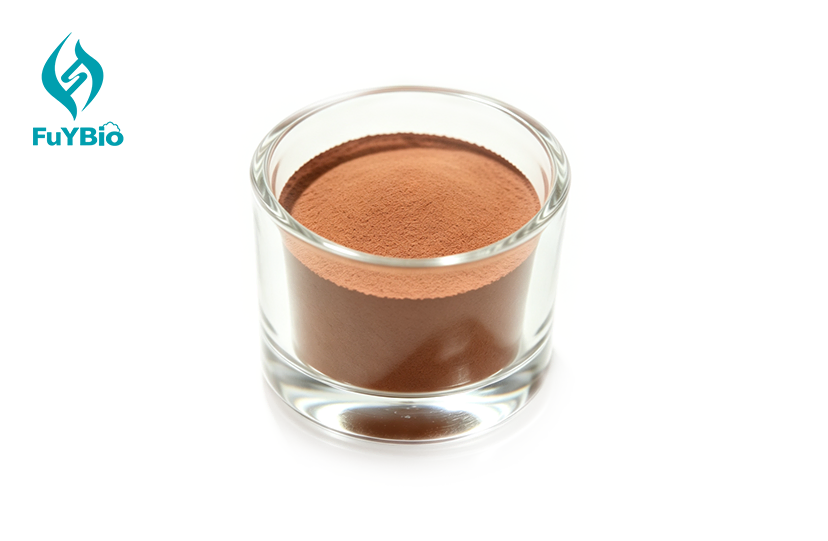
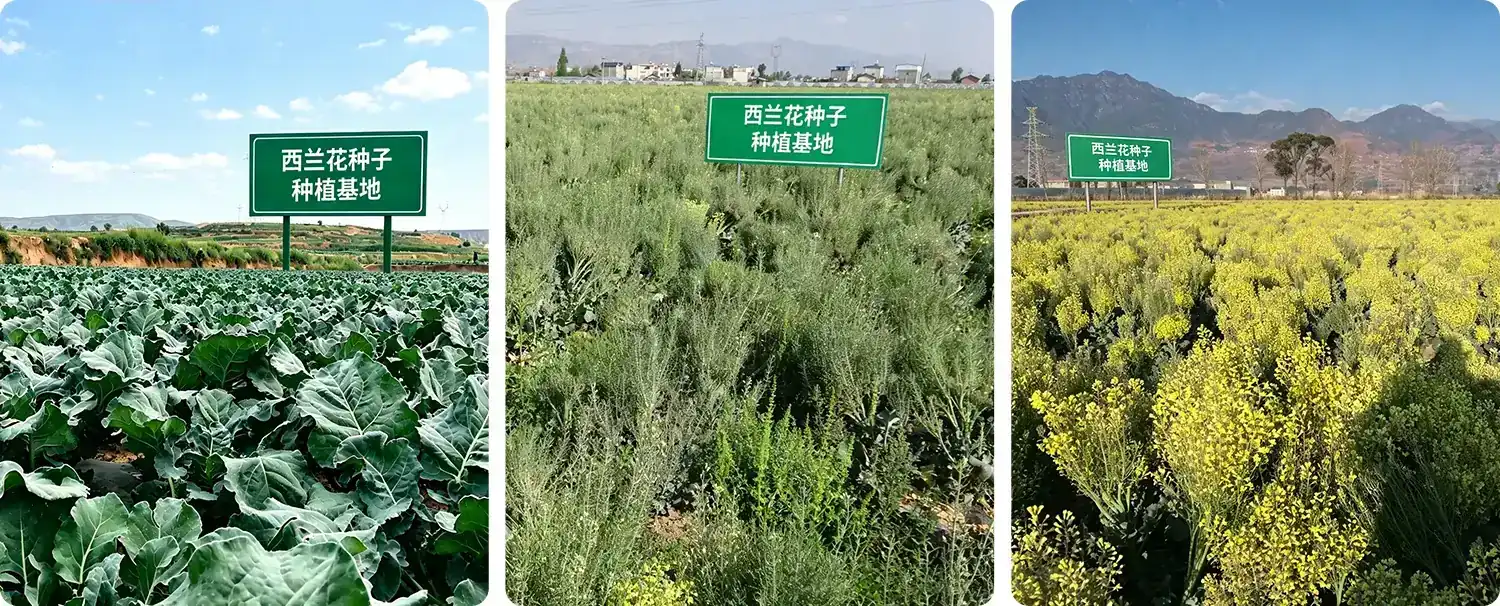
Broccoli Seed Extract 13% Glucoraphanin comes from Brassica oleracea var. italica seeds. FuYNature is a fine, light yellow powder that is made in China by extracting water from plants. Its specs say that the glucoraphanin level must be at least 13%, which was found using an internal HPLC method. The particles must be at least 180 μm in size, and at least 90% of them must be that size. If you keep it right, it will last for two years. The results show that there are 0.052 mg/kg of inorganic arsenic and 280 cfu/g of aerobic bacteria. The smell of the powder is like the smell of the seed extract. People who want to buy powder should always read the whole specification sheet because the numbers on it tell you how the powder will behave in a blend.
What 13% Means and How Seed Differs from Sprout?
Based on the given test, a 13% grade means that every gram of powder contains around 130 mg of glucoraphanin. Glucoraphanin is a glucosinolate and a building block for sulforaphane, the compound that was studied for its activity in the Nrf2 pathway. Johns Hopkins researchers found in 1997 that broccoli sprouts that are still young have a lot more glucoraphanin than plants that are already grown. Even so, sprouts and seeds are still two different ways to start a garden. Because of this, I never use a sprout extract or a seed extract in place of another one because of the different stages of growth. Find out if the 13% is a normal amount or a minimum that must be met. Glucoraphanin ≥13% is what the FuYNature label says it is.
How Standardization Works: Sourcing, Water Extraction, and HPLC?
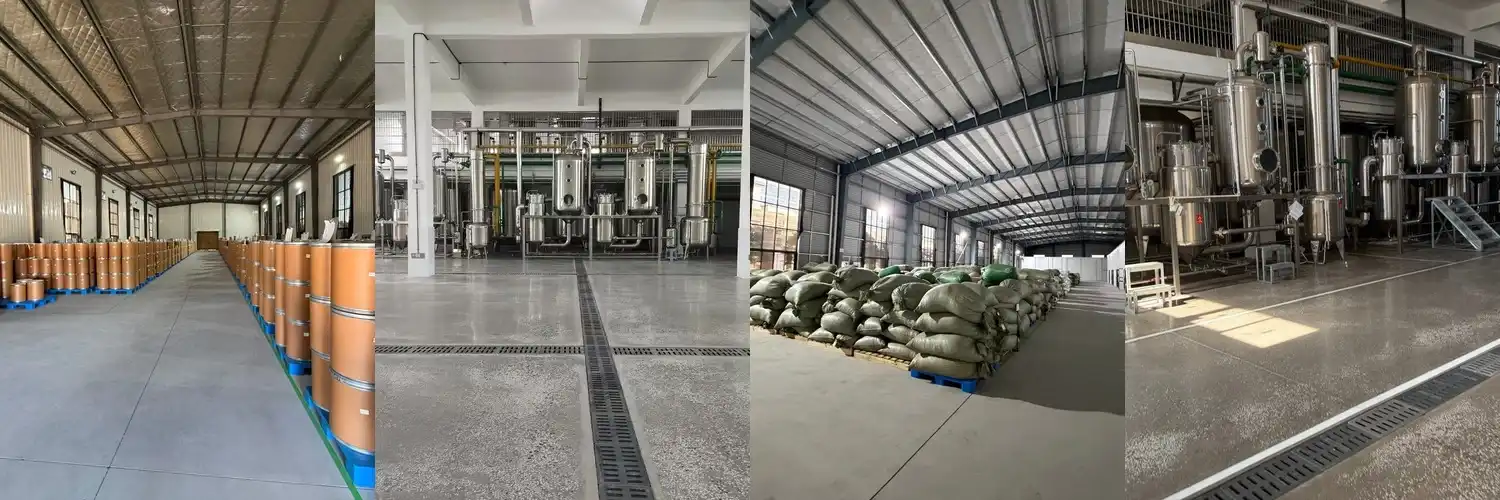
This is the first step in standardization: the seed. From the seed to the finished product, FuYNature can be fully tracked, and quality is checked at every step. A unique pre-treatment step in the process gets rid of risky impurities like allyl isothiocyanate. Since only water is used for extraction, the powder does not contain any chemical solvent leftovers. Once the extract is dry, it is ground up into a fine, light yellow powder and sent out according to the rules. HPLC is used for testing because it directly measures glucoraphanin. It's stable at 50 tons per year, which is important when a launch goes from small orders to big orders. You should not only ask for a brochure, but also for certificates of analysis for each batch.
How Is 13% Glucoraphanin Broccoli Seed Extract Used in Food Formulations?
Functional Food and Dietary Supplement Applications
The product works with powders, tablets, drinks, and other carriers. Because it can be used for so many things, FuYNature is good for functional drinks, dietary supplements, and foods used for medical reasons. For US brands, it makes sense to start with a supplement and then move on to drink mixes and stick packs made of powder. There are different rules for each group. Supplement labels have to follow rules set by the FDA, which include giving accurate information about their structure and function. Regular food labels, on the other hand, don't have to do this. The US FDA GRAS and USP-NF standards have been met by the ingredient, but your final product still needs to be reviewed. Make sure you know the category before you lock in a formula.
Capsules, Tablets, Beverages, and Powdered Foods
Capsules and tablets are the easiest way to go because they keep taste and smell from getting out. The fine powder can be used for capsules and tablets, and the particle size range allows for even mixing. Glucoraphanin dissolves in water when added to drinks or dry mixes, but the finished drink still needs to be tested for sediment, taste, and pH behavior. The powder has its own smell, so flavor hiding may be needed in goods that don't have a strong taste. One more factor is heat, since long processing times and hot filling may lower the active content. I think you should look into stability in the real matrix. It is known that FuYNature stays steady for 24 months at room temperature. This gives us a good starting point for planning its shelf life.
Formulation Calculations for Target Glucoraphanin Levels
Dose Broccoli Seed Extract 13% Glucoraphanin by glucoraphanin, never by powder weight. Take the assay and divide it by the target dose. 50 mg of glucoraphanin is equal to 0.385 grams of powder. It takes about 769 mg to get 100 mg. Filling a capsule depends on its bulk density, so make sure the fit is right with the company that makes capsules. Just add an extra amount if the stability numbers show a loss. Since the requirement is at least 13%, a batch higher than that will give more than expected. To account for this, set a tolerance range in the master formula and make changes based on the batch certificate of analysis. Note the test for each lot and figure out the fill weight again if the value changes.
Improving Formulation Performance: Glucoraphanin, Myrosinase, and Processing Conditions
The Relationship Between Glucoraphanin and Myrosinase
Glucoraphanin is the precursor. There is an enzyme called myrosinase that changes it into sulforaphane when they meet water. Since they are two different things, a glucoraphanin specification doesn't tell you anything about the activity of an enzyme. When this enzyme isn't present, bacteria in the gut can do some of the work, but the rate is different for each person. Egner and his colleagues did a crossover study in 2011 that compared two drinks made from broccoli sprouts and measured how much sulforaphane the body absorbed from each. The findings showed that the form of delivery changes how well it works. Glucoraphanin, sulforaphane, and myrosinase should all be written on different lines in your papers.
Broccoli Seed Extract With and Without Myrosinase
People who want to buy an extract often ask if it "has myrosinase." The answer is different for each product, and I suggest writing it down. The FuYNature specification says that glucoraphanin must be at least 13%, but it doesn't say anything about enzyme activity. For your project, ask our technical team about enzyme status and co-formulation. For its broccoli seed water extract, FuYNature has built a standardized sulforaphane release technology system. The company says that more than 10 clinical trials and real-world tests with humans have shown an in vivo sulforaphane conversion rate of at least 55.8%. Ask for the supporting data before making claims based on it, and let us know what dose you want to use so that we can find studies that fit your needs.
Processing and Storage Factors
A plant ingredient can be changed by heat, wetness, oxygen, light, pH, and being processed for a long time. Because sulforaphane is fragile on its own, glucoraphanin is the best form to store it in. Keep the powder in a cool, dry place away from light and heat, and make sure the package stays closed when not in use. For finished goods, use packaging that keeps moisture out, and do accelerated and real-time stability studies before going big. FuYNature can be kept for two years if it is stored properly, and it has been shown to be stable at room temperature for 24 months. Since your matrix might act in a different way, you should use HPLC to check the test at every time point.
How to Compare Options and Choose a Broccoli Seed Extract Supplier?
Comparing Grades and Formats
Price per kilogram of glucoraphanin is not the first thing you should look at. Instead, start with the cost per milligram. To get the same dose, a 13% powder needs less weight than a 10% powder. For example, 100 mg of 13% powder needs about 769 mg, while 1,000 mg of 10% powder needs 1,000 mg. That makes room for more pills or less powder in a stick pack. Still, stronger isn't always better; the right grade depends on the dose, the format, and the budget. But liquid extracts need extra stability and a shipping review for international freight, while powder works well in pills, dry mixes, and international freight. Long-term performance is affected by things like source tracking, extraction method, contaminant data, and batch stability. Compare these things between providers.
Supplier Criteria and Documents to Request
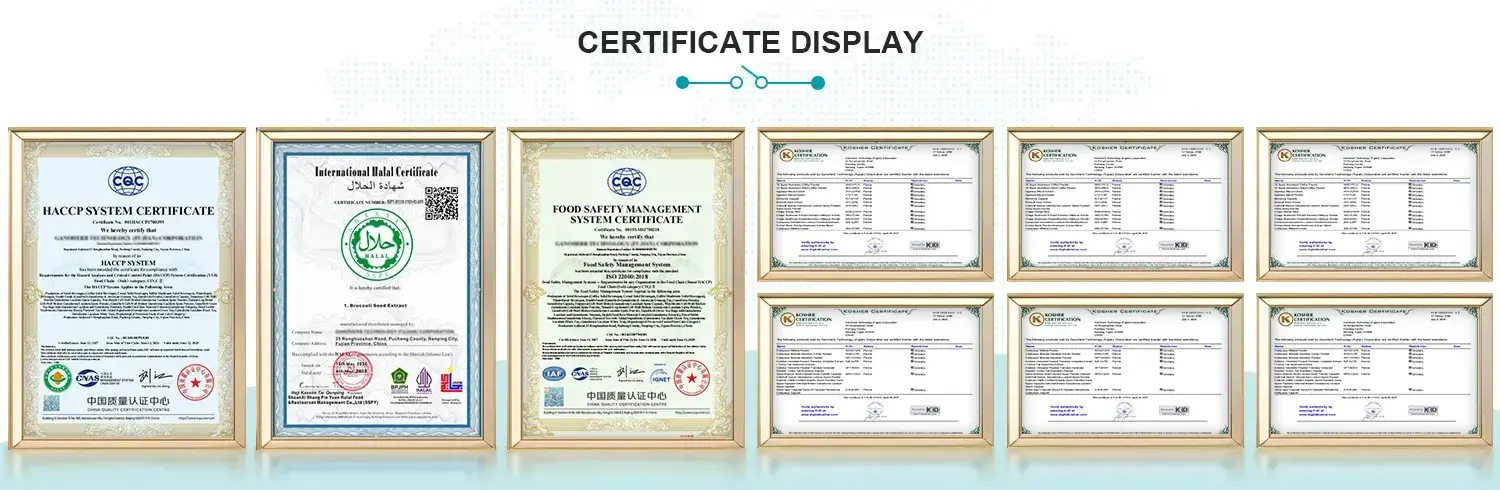
A manufacturer of Broccoli Seed Extract 13% Glucoraphanin may be able to control its own production, but a trader might not. Find out who does the extraction, where the seeds are grown, and what audits are in place. FuYNature can work with factories that are certified by GMP, ISO22000, HACCP, and HALAL. Ask for the standard, most recent certificates of analysis, safety data sheet, non-GMO statement, information on where the product came from, a flow chart, and data on its reliability. There are no genetically modified organisms (GMOs) in FuYNature , and it meets standards for more than 500 things like heavy metals, bacteria, and chemical residues.
Price, MOQ, Delivery, and Customization
It's only fair to compare quotes when the terms are the same. You should look at the MOQ, sample availability, lead time, Incoterms, and packaging. FuYNature can handle both air and sea freight, and with a steady capacity of 50 tons per year, it can handle big orders. Customization is also important. The team can change the recipe in many ways, such as the ingredients, the dosage forms, and the way the ingredients are mixed. Depending on the size of the order, patent licensing help is available, and end goods based on evidence can be developed together and used for certain health uses. HPLC research helps with testing and the process. FuYNature has invention patents in the US, Japan, and China. Prices and MOQ depend on how much you order, so send your yearly forecast with your first request.
Common Mistakes and a Step-by-Step Evaluation Workflow
Mistakes That Cost Time and Money
There are four mistakes that keep happening. First, buyers take "13%" to mean the whole quality range. The number doesn't say anything about how pure, safe, soluble, or consistent the batch is, so read the whole certificate of analysis. Second, they think that glucoraphanin and sulforaphane are the same thing. The claim should name the right molecule since they are not the same. Third, they don't test the end matrix, which is where things like taste, sediment, analysis loss, or interactions with the packaging can show up. For the fourth time, they only look at the price. Any savings could be lost if batches aren't consistent, paperwork is missing, there are delays, or the formula needs to be changed. For every price comparison, you should include sample results and documentation.
Steps 1 to 3: Define, Specify, and Screen
Step 1 is to describe the final product, including its shape, serving size, desired glucoraphanin level, working conditions, yearly need, and price goal. In the second step, you need to write a specification that includes the assay method, microbiology, contaminants, particle size, packaging, shelf life, and any documents that are needed. A written standard also makes it clear to sellers what samples they should ask for. Step 3 is to look at samples, certificates of analysis, prices, minimum order quantity (MOQ), lead time, and capacity from different suppliers. Make a score sheet so that everyone on the team can use the same criteria to compare each supplier. Before you spend money on test batches for US starts, this is the time to add your claims strategy and regulatory review.
Steps 4 and 5: Test and Approve
The fourth step is to test the real matrix for application and stability. At set times, check the assay, taste, color, and dispersion, and then compare the results to what was expected. Step 5 is to approve the supplier and set up ongoing controls, such as checks on when batches are released, changes are made, complaints are handled, and plans for reorders are made. Hold on to some samples from each lot. A short approval process makes sure that every new lot meets the agreed-upon standards, and a review of test trends every three months finds drift early. For 13 years, The R&D team at FuYNature is led by four PhDs, and HPLC testing is available to help with this stage. This helps teams answer matrix questions more quickly.
Conclusion:
Broccoli Seed Extract 13% Glucoraphanin has a known strength of around 130 mg per gram, but that number isn't what matters; the assay method, batch records, and full specification are. The article showed that the amount of glucoraphanin should determine the dose, that capsules and tablets are the easiest forms to use, and that drinks and powders need to be tested for taste, sediment, and stability using a matrix. There are three different things called glucoraphanin, myrosinase, and sulforaphane that should be recorded separately. It's more accurate to compare sources based on cost per milligram of glucoraphanin, traceability, certificates, and paperwork than on price per kilogram. A five-step process, from defining the product to getting approval from the supplier, lowers the risk of reformulation and procurement.
FAQ
What does 13% glucoraphanin mean?
HPLC tests show that there are about 130 mg of glucoraphanin per gram of powder. The FuYNature standard says that the glucoraphanin level must be at least 13%, so always check the method and the batch proof of analysis.
Is broccoli seed extract the same as sprout extract?
Not at all. Seeds and sprouts are at different stages of growth and have different parts and enzyme activities. Each needs its own set of rules and instructions, so don't switch them out without first looking them over.
Can it be used in capsules and beverages?
Yes. The powder can be used with tablets, drinks, powders, and other carriers. Before putting it on the market, make sure that each finished matrix passes the taste, sediment, and assay stability tests.
Does it contain myrosinase?
The FuYNature specification only talks about glucoraphanin and not enzyme activity. If you want to make claims about conversion or sulforaphane, ask our technical team about the status of enzymes and co-formulation options.
How should the powder be stored?
Keep it somewhere cool and dry, away from light and heat. If you store it properly, it will last for two years, and the company says it will stay stable at room temperature for 24 months.
Request FuYNature Broccoli Seed Extract 13% Glucoraphanin Samples and Specifications
Want to find a supplier of Broccoli Seed Extract 13% Glucoraphanin for your next formula? FuYNature is a water-extracted powder that can be used to make 50 tons of product every year. It stays stable at room temperature for 24 months and can be customized for formulas and HPLC tests. To ask for a specification or sample, email info@extrabroc.com with your application, goal dose, and yearly volume. You can find out more at extrabroc.com as well.
References
1. Proceedings of the National Academy of Sciences, 1997. Fahey JW, Zhang Y, Talalay P. "Broccoli sprouts: an exceptionally rich source of inducers of enzymes that protect against chemical carcinogens."
2. Phytochemistry, 2001. Fahey JW, Zalcmann AT, Talalay P. "The chemical diversity and distribution of glucosinolates and isothiocyanates among plants."
3. Cancer Epidemiology, Biomarkers & Prevention, 2001. Shapiro TA, et al. "Chemoprotective glucosinolates and isothiocyanates of broccoli sprouts: metabolism and excretion in humans."
4. Cancer Prevention Research, 2011. Egner PA, et al. "Bioavailability of sulforaphane from two broccoli sprout beverages: results of a short-term, cross-over clinical trial in Qidong, China."
5. Trends in Food Science & Technology, 2017. Dinkova-Kostova AT, et al. "KEAP1 and Done? Targeting the NRF2 Pathway with Sulforaphane."
6. Journal of Medicinal Food, 2019. Vanduchova A, et al. "Isothiocyanate from Broccoli, Sulforaphane, and Its Properties."