Stachyose 70% Powder for Dairy and Plant-Based Beverage Manufacturers
Stachyose 70% Powder gives dairy and plant-based beverage manufacturers a prebiotic oligosaccharide ingredient with a defined assay, mild sweetness, and a clean white appearance. I recommend it for drinking yogurt, milk drinks, oat, soy, and pea beverages, and protein shakes, provided you first test solubility, taste, heat stability, and protein compatibility in your own base. FuYNature supplies stachyose at 70% or higher, verified by HPLC, with ISO22000, HACCP, and HALAL certifications. This guide covers what the ingredient is, where it fits, how to dose and qualify it, and how to buy it in bulk.
What Is Stachyose 70% Powder?
Before you plan a trial, you need a clear picture of what is in the bag. Here is what the specification and the science tell us.
Composition and Specification
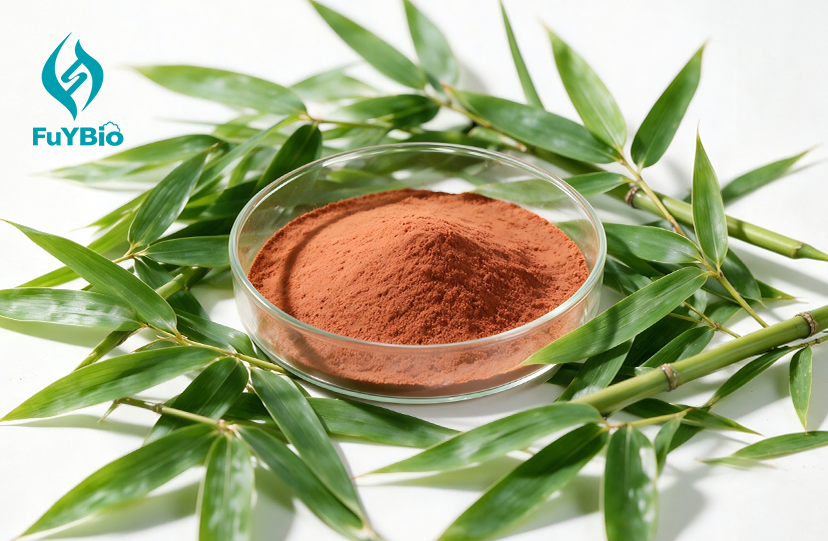
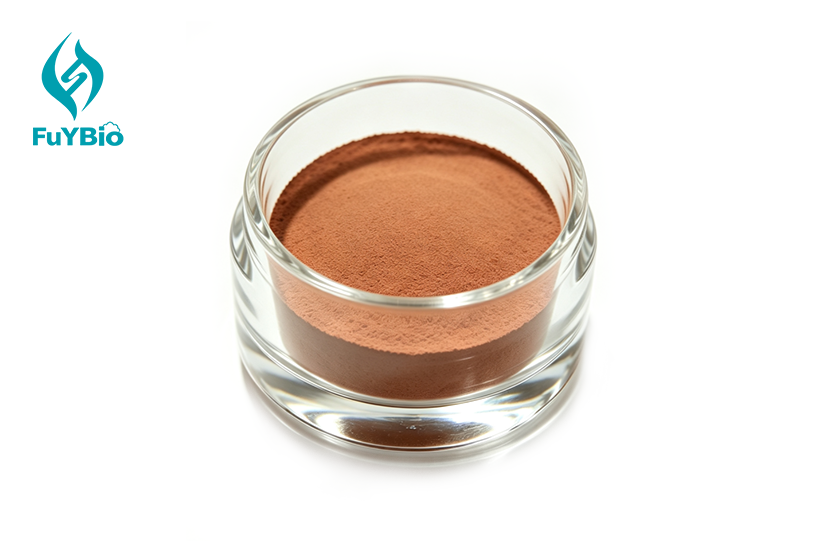
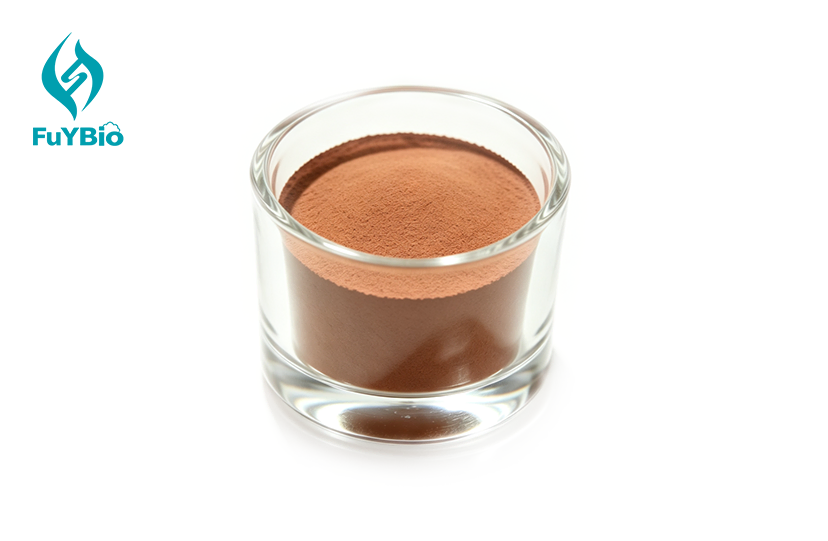
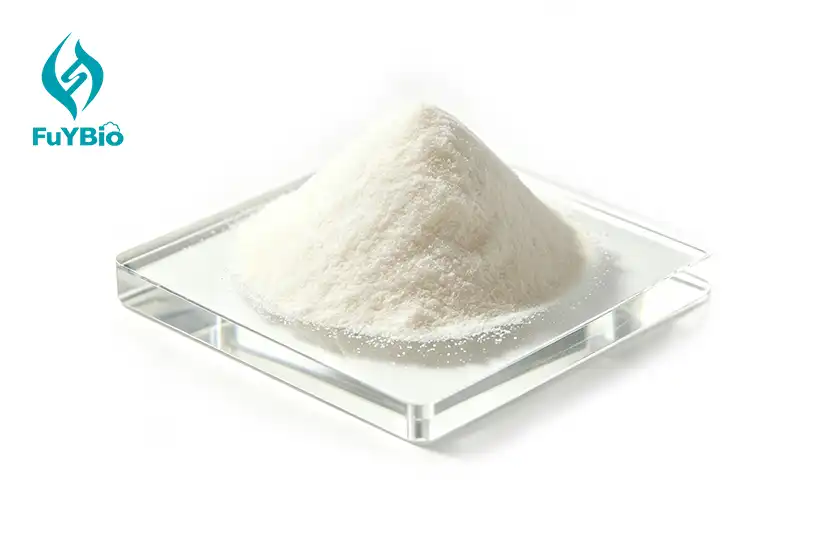
This is a tetrasaccharide: stachyose is made up of C24H42O21. One glucose unit, two galactose units, and one fructose unit make it up. "70%" in Stachyose 70% Powder refers to the stachyose test. Our FuYNature standard says that the stachyose level must be at least 70%, as seen in HPLC tests. If you need heavy metals or germs, the white powder is what you need. It can be kept for 24 months. To make it in China, you need ISO22000, HACCP, and HALAL checks. A lot of the time, I tell people who are buying something to read the batch COA as well as the label to get the full picture. This is because the other parts of the product might contain other soluble carbohydrates.
Natural Sources of Stachyose
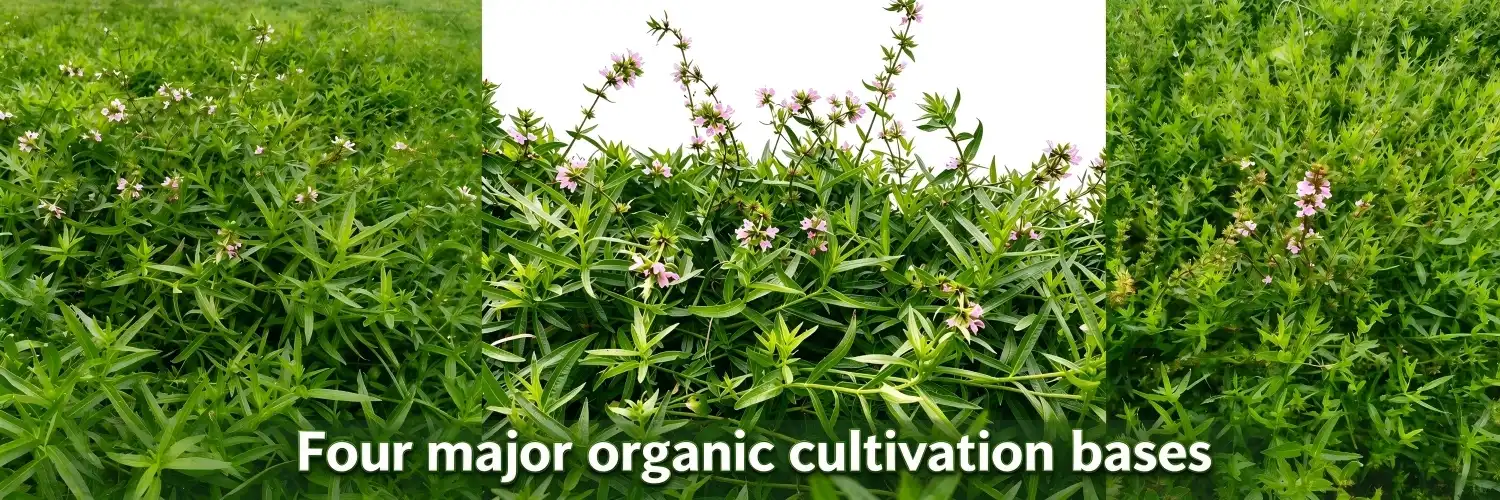
Stachyose is a sugar that plants make on their own. Legumes, such as soy and mung beans, have about 2% to 4%. Since bean sprouts are not a good source, this amount drops quickly as they grow. Stachys affinis is one of the best sources. It is also called Chinese artichoke or crosne and has been eaten as a vegetable for a long time. It's also found in the plants Lycopus lucidus and Rehmannia glutinosa, both of which are used in old Chinese medicine. They can't be used in food, though, because they're bitter. It changes the way the food tastes, so ask each supplier to name the plant source. You can get FuYNature stachyose from plants. It works well in drinks that need a clean taste.
How Stachyose Works in the Gut?
Stachyose mostly stays whole as it moves through the stomach and small intestine because people don't have the enzyme that breaks it down. Some bacteria in the gut, such as Bifidobacteria, can break it down and turn it into short-chain fatty acids in the gut. A 2017 ISAPP agreement definition of a prebiotic says that it is something that host microorganisms choose to use to help their health. The point helps people who make things. It's possible for stachyose to help a prebiotic story, but the truth of any claim depends on how well your product works and how the U.S. states it. I believe the science should be used as a starting point instead of a full claim.
Stachyose 70% Powder Applications in Dairy and Plant-Based Beverages
Both categories can use this ingredient, but each base behaves differently. Here is what I would watch in each one.
Dairy Beverages
Stachyose 70% Powder can be added to yogurt, sour milk, flavored milk, and high-protein dairy drinks without changes. There are different effects on milk proteins, calcium, stabilizers, and cultures when a new ingredient is added. You should keep track of the sweetness, acidity, viscosity, sedimentation, and mouthfeel from the first batch made on the bench. Some groups can eat the oligosaccharides that are found in fermented foods, so check the stachyose level of the whole drink, not just when you add it. Make sure you know how to heat or use UHT and how long something can stay in the fridge. Check these things as soon as possible, since dairy problems often don't show up until a few weeks have passed in the cold chain.
Plant-Based Beverages
Some drinks that have it are soy, oat, pea, rice, almond, and coconut. You can also find it in shakes and powders that are already mixed. Small amounts of stachyose are already found in soybeans, so it is not a new thing in plant-based foods. The base is usually the problem: earthy or beany notes, grittiness, sedimentation, and phase separation. For qualification trials, you should use the temperature and pH you want to use in the processing. This is because pea and soy proteins react to heat and pH in different ways. It is said that stachyose can stay stable in warm and acidic places with a pH range of 3.0 to 7.0, but you should still try it for yourself to be sure.
Stachyose vs. Inulin, Raffinose, and FOS
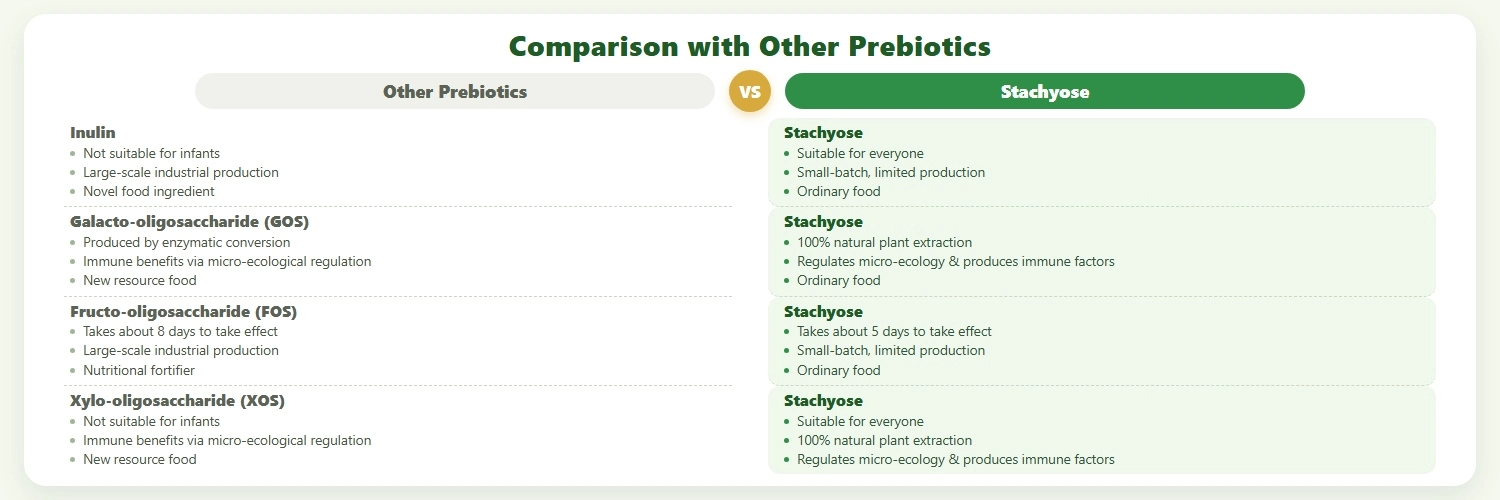
This is what you should pick from these prebiotics: what each drink needs. Inulin can make low-fat cheese creamier and fuller, but it can also thicken clear drinks. FOS has been used for a long time and is simple to break down. Raffinose is a trisaccharide that is connected to stachyose, so get HPLC identity data instead of marketing names. When it comes to sweetness, stachyose is about 22% as good as sucrose. Along with water, it doesn't get too thick, so it's good for drinks that need to be clear and taste light. How much does active stachyose cost per kilogram? How well does it dissolve? How sweet is it? How does it taste? How stable is it at high temperatures? After that, let test runs make the final choice.
Solubility, Dosage, and Formulation Workflow
Lab data on water solubility tells only part of the story. A short, structured trial protects your launch timeline.
Solubility and Processing
Technical sources say that stachyose is easy to dissolve in water. However, in real life, protein, minerals, and a lot of solids can change how it works. It is important to test drink systems that are cold-filled, hot-filled, pasteurized, UHT, and in powder form. Don’t forget to check the pH, temperature, mixing energy, and amount added in each step. Two good ways to spread the powder out are to mix it with other dry ingredients first or add it to the liquid phase while it's being mixed well. Since the powder soaks up some water, keep the lid on the jar while you weigh it so that it doesn't stick together. Write down the breakdown time and clarity for each step. In the end, these notes will be your production instructions.
Dosage and Tolerance
Every person needs a different dose of Stachyose 70% Powder to work. What is the right amount? It depends on the drink, the serving size, the claims being made, the taste goals, and the rules in your area. First, make small amounts on a bench. Then, slowly raise the level while a group of people rates how smooth and tasty it is. You should know how many oligosaccharides you can handle before you decide on a dose size because some people get gas or bloating when they eat a lot of them. If you are in the US, don't think that stachyose and dietary fiber are the same thing on the Nutrition Facts table. The FDA released a scientific review of carbs that the body can't break down in 2018. Talk to your regulatory advisor about the claims and labels on the packaging before you print them.
Qualification Workflow
I think you should do these four things. First, choose the base, serving size, processing method, pH, customer you want to sell to, and how long you want the food to last. Next, look at the different suppliers' specs, certificates, and COAs. Third, make the mix and leave it out on a bench to see how it changes with water, taste, viscosity, sedimentation, proteins, minerals, and preservatives. After that, use the best recipe again on a small scale and stress it by storing it for a long time and in high heat. 4. Use HPLC to check the finished product's stability, microbiology, taste performance, ability to be packed, and the exact amount of stachyose it has. Our company, FuYNature, helps with this process by making formulas more specific and supporting HPLC testing. Teams can go from sample to launch faster with this.
Quality, Sourcing, and Bulk Buying
Once a trial works, purchasing details decide whether the success repeats at scale.
Quality Documentation
Please make sure you have the full technical package before you give your permission. This should include the product specification, batch COA, safety data sheet, ingredient statement, origin declaration, and certificates. Some of the most important tests are the stachyose assay by HPLC, the moisture level, the ash level, the particle size, the appearance, the microbiology, and the heavy metals. Each COA should have both the method and the lot number written on it. You can't track a COA that doesn't have both of these. Our stachyose is white and at least 70% pure, as shown by HPLC tests. For heavy metals and bacteria, it also meets standards. It is certified by ISO22000, HACCP, and HALAL.
Choosing a Supplier and Avoiding Mistakes
Someone who is a good provider should be able to answer these 11 points. Who makes the powder and sends it out? How far does the real test range go? How much is the minimum order quantity (MOQ), how much can be made each year, and how long is the wait time? FuYNature says it can consistently make 1,000 tons of product every year. This means it can handle a lot of orders. If someone thinks that how well something dissolves in water can tell them how well it will work in protein drinks, they probably bought the cheapest item without comparing the test and package. Other mistakes include taking a COA without checking the method and reading about U.S. labeling rules too late. Private-label projects fail when details like who owns the art, how many copies are made, and who controls changes are not written down. A written plan and a pilot test can help you escape most of these problems.
Pricing, Packaging, and Storage
The price per kilogram of active stachyose is what you should look at, not the top price. The price changes based on the number of tests needed, the size of the order, the packaging, the freight, and the Incoterms. We can ship by air or sea, and you can change the details of your order. Please make sure you understand the sample size, MOQ, lead time, and packaging style when you get a price. On the export paperwork, there should be a commercial invoice, a packing list, a certificate of origin (COA), the lot number, and the date the goods expire. Keep the powder covered in a cool, dry, clean, well-ventilated place out of the sun, away from strong smells, and not near heat sources. You can keep it for 24 months. Stock should be rotated so that the oldest items go out first. New lots should be checked for caking or coloring, and cold containers should be left to warm up to room temperature before they are opened to avoid condensation.
Conclusion
Tetrasaccharide prebiotics are what Stachyose 70% Powder is made of. The 70% figure comes from an HPLC test that confirmed the stachyose reading. On its own, it can be found in herbs, vegetables, and beans. Though it is broken down, it stays mostly whole, and gut bacteria like Bifidobacteria can process it. The base is what makes plant-based and dairy drinks work or not. Proteins, minerals, pH, heat, and cultures can all change how something dissolves, tastes, and stays stable. This is the reason why we need pilot tests and tests on finished products. Compared to inulin, raffinose, and FOS, stachyose is not as thick and is a little sweet. On the other hand, the test, the material, and the price per kilogram of action will vary. There are tolerance tests and a close look at U.S. claims that need to be done because one dose doesn't work for everyone. Clear contact with producers, lots of paperwork, and the right way to store goods all help keep quality high from the first sample to mass production.
FAQ
What does the 70% in Stachyose 70% Powder mean?
The stachyose test is carried out with HPLC. The amount of stachyose in our FuYNature must be at least 70%. Always look at the batch COA to see the exact outcome and the method utilized.
Can I use it in both dairy and plant-based drinks?
Formulators do test it in both. Do a test run in your own base to see how it works before you approve a market recipe. It will depend on the pH, the protein, the minerals, the heat treatment, and how long the food was stored.
What is the shelf life and how should I store it?
You can keep it for 24 months. Because it soaks up water, keep the powder sealed in a cool, dry place away from water and direct sunlight.
Can you supply large orders and ship internationally?
Yes. One thousand tons of goods can be made every year, and we can handle both sea and air freight. We can also change the specs to fit each client's wants. Get a sample and COA first to make sure the size is right.
Request FuYNature Stachyose 70% Powder Samples and a Bulk Quote
FuYNature can be reached at info@extrabroc.com to request a sample, specification sheet, or bulk quote for our Stachyose 70% Powder. You can get Stachyose 70% Powder from us. The stuff we sell has been tested with HPLC and is approved by ISO22000, HACCP, and HALAL. We can also ship by air or sea and have the ability to handle 600 tons per year. We will help you by giving you good ideas after hearing about your drink base, pH, and target amount. Go to extrabroc.com to learn more.
References
1. Nature Reviews Gastroenterology & Hepatology, 2017 – Expert consensus document: The International Scientific Association for Probiotics and Prebiotics (ISAPP) consensus statement on the definition and scope of prebiotics.
2. The Journal of Nutrition, 1995 – Dietary modulation of the human colonic microbiota: Introducing the concept of prebiotics.
3. Carbohydrate Polymers, 2007 – Non-digestible oligosaccharides: A review.
4. Nutrición Hospitalaria, 2006 – Soybean oligosaccharides. Potential as new ingredients in functional food.
5. Current Opinion in Biotechnology, 2015 – Recent developments in prebiotics to selectively impact beneficial microbes and promote intestinal health.
6. U.S. Food and Drug Administration, 2018 – Review of the Scientific Evidence on the Physiological Effects of Certain Non-Digestible Carbohydrates.