How Is Haematococcus Pluvialis Astaxanthin Powder Used in Aquaculture Feed?
Haematococcus Pluvialis Astaxanthin Powder is used in aquaculture feed mainly as a natural pigment and antioxidant source. Producers add it to premixes, dry blends, or coating steps so salmon, trout, shrimp, and ornamental fish receive carotenoids they cannot make on their own. The pigment deposits in flesh and shell, which supports the red, pink, or orange color buyers expect. Results depend on species, life stage, dose, feed processing, and local rules, so I always recommend small trials before a full production run. This guide explains how the powder works and how to buy it wisely.
What Is Haematococcus Pluvialis Astaxanthin Powder?
Where Does the Powder Come From?
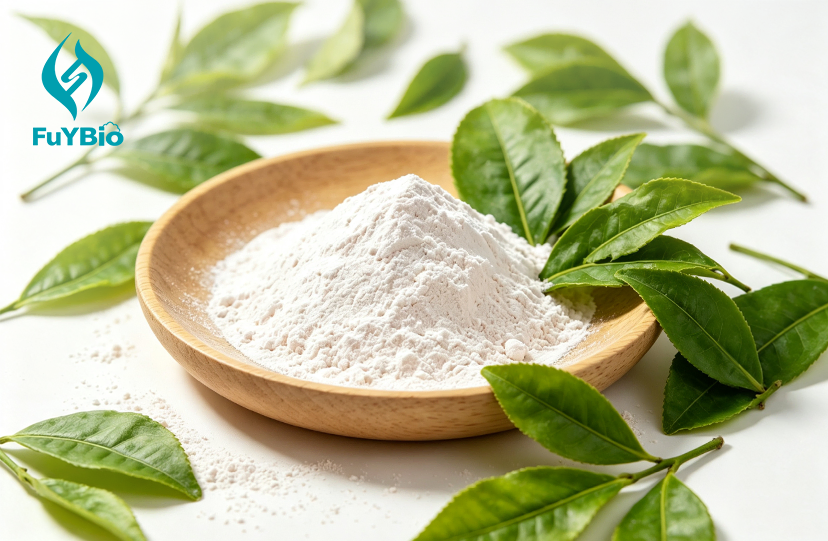
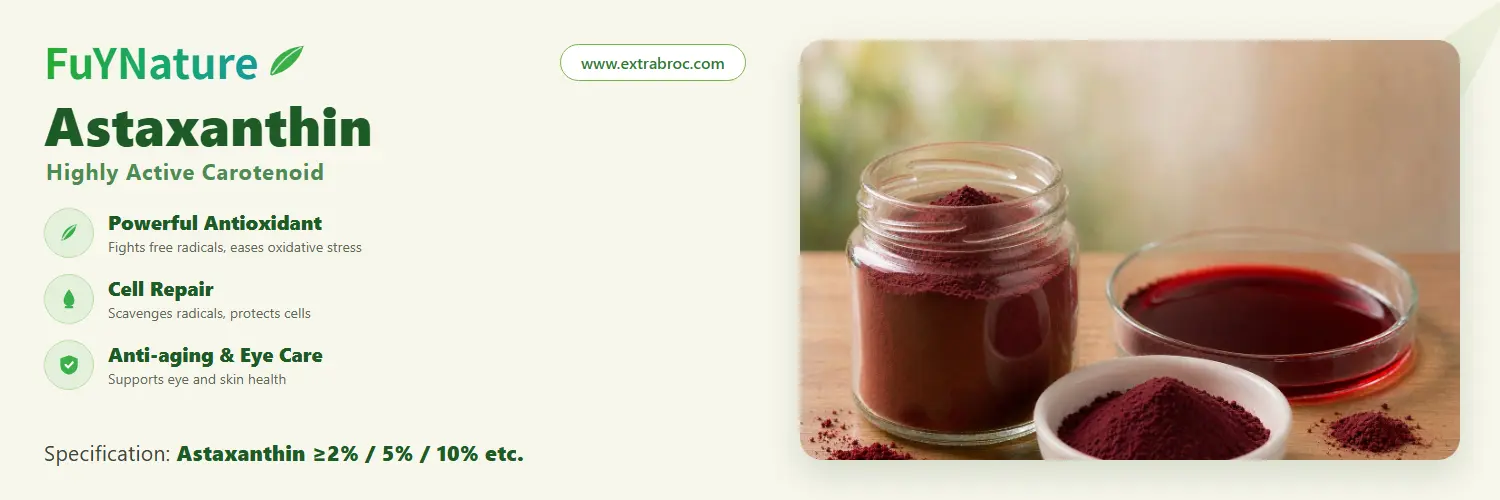
What does Haematococcus Pluvialis Astaxanthin Powder mean? Such a tiny plant lives in clean water. The cells of this plant turn red when they don't have enough food, light, or heat. It is broken up into small pieces, dried, and then ground into a fine powder. Things get stressed out, and the biomass grows. Each step changes the amount of color, the flow, and the color of the whole batch. That the color works better whe n the cell wall is broken down was said in reviews in Marine Drugs (2014) and Frontiers in Plant Science (2016). There are different kinds of astaxanthin in this algae. The kind made in a lab and given to many people is not as esterified.
FuYNature Product Specifications
We sell a fine, red to dark red powder called Haematococcus Pluvialis Astaxanthin Powder. It can have ≥2%, ≥3%, ≥4%, ≥5%, or ≥6% astaxanthin. HPLC is used to test astaxanthin, and it will last for 24 months if it is kept properly. It is made in China, where 300 tons of it are made every year, so it can handle large orders. FSSC22000, HACCP, HALAL, and Kosher are a few of the certificates. Xanthophyll gives things this color, and you can find it in food, vitamins, beauty items, and animal feed. Based on what we know about the product, it can be fed to salmon, ornamental fish, and chickens to make the meat taste and look better.
Purity, Traceability, and Quality Control
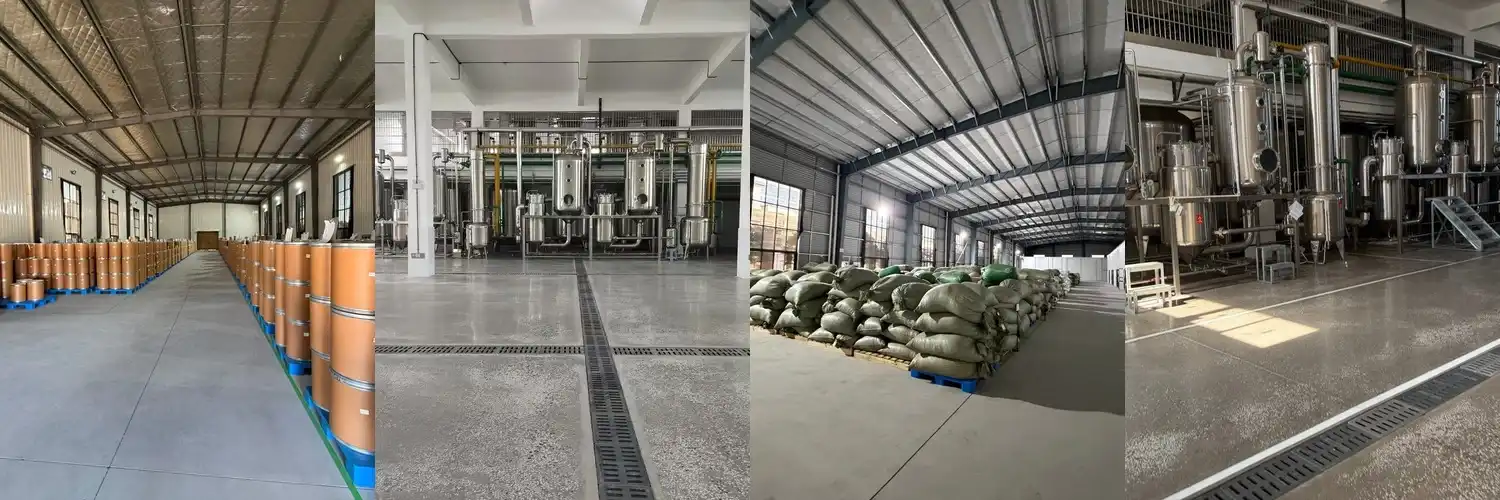
Because of the way we treat the water before we use it, the algae grow in glass pipes that are turned off and filled with clean water. We don't add anything else to the dried algae powder because it is already up to 99% clean. Each lot is tracked as the crop grows, and quality is checked at every stage. Microbiology checks are done to see if it meets the standards, and HPLC checks are done to see how much astaxanthin is present. If a customer asks, a feed mill can easily explain where an item came from. They can also guess what will happen when they mix very pure powder with something else. It looks like you should ask for a COA that is specific to each batch with each sample. So, your team can see how the real data matches up with what you need.
How Producers Use Natural Astaxanthin Powder in Aquaculture Feed?
Pigmentation in Salmon, Trout, Shrimp, and Ornamental Fish
It was written in 1995 in the Journal of Applied Ichthyology that fish and crustaceans can't make carotenoids on their own. They get them from the food they eat instead. Salmon meat has a color called astaxanthin. The fillets look pink to red because of it. That's why clam and shrimp meat turns red after being cooked: the shells and fat store the color. It's what makes colored fish colorful. The color comes from natural Haematococcus Pluvialis Astaxanthin Powder, which doesn't clash with natural or high-end foods. The color they get will still depend on the type of food they eat, how much they eat, when they eat, and how fast they burn it.
Antioxidant Support During Production Stress
Astaxanthin is a strong substance that stops carotene from working. Animals that live in fields have to deal with being crowded, handled, moved, and having babies, all of which add to the reactive load. A journal from 2018 called Reviews in Aquaculture looks at research that showed giving astaxanthin to aquatic animals helped them grow, deal with stress, and keep their immune systems healthy. What happens depends on the kind of living thing and how much of it there is. From what I know, I will try not to believe what I've read. A feed company should test their own feed to see how much growth, life, and feed conversion they get before putting a claim about how well it works on the side.
Adding the Powder to Feed
Your feed matrix with Haematococcus Pluvialis Astaxanthin Powder will show you the best way to do things. You can mix dry premixes with dry powder. It can also be added to molded feed as long as the process doesn't harm the color. More often than not, forms that don't need oil are used instead of forms that do. Make sure you know what style to use before you set up a line trial. If you spread a small amount of color out over a large area, it will look patchy. So make sure you mix it well. It can be broken down by light, heat, air, and water. Check to see how much of the color stays in the line after the plant extrudes, dries, and coats. We can talk about your plan and help you do HPLC tests on the goods to make sure they are safe.
How Much Haematococcus Pluvialis Astaxanthin Powder Should You Use?
Active Content vs. Powder Inclusion
It's not easy to figure out because there isn't a single right amount. Fill in the blanks with the amount of powder you want to use to get the active astaxanthin. As an example, 5 grams of a 5% powder per metric ton of feed is the same as 5 mg/kg of astaxanthin. That much is made from 83 grams of 6% powder and 250 grams of 2% powder. Since this is just math, it doesn't help you decide what to eat. Change each one to how much it costs per kilogram of active astaxanthin to see how much they are different. If the percentage is smaller, it might cost less per kilogram of powder but more per unit of color.
Factors That Change the Target Dose
It depends on the animal's type, size, stage of life, color goal, feeding schedule, and main source of food. You can tell how many carotenoids an animal has by how much fat it eats, and organs need time to store color. When you feed during a short window and finish during a long window, the results are different. Also, processing data costs a lot. The person mixing the colors has to think about how much color will be lost if a plant turns black while being pressed. People should never use how much of a vitamin to take to feed shrimp or fish. One trained to make feed or an expert in marine life should decide on the final amount.
Trials and U.S. Regulatory Checks
Make sure that every amount works by testing it in a controlled way. The studies should keep track of changes in color, growth, feed conversion, survival, and the ability of saved feed to keep its color. Rules are also very important. In the US, the FDA is in charge of adding color to fish food. It is allowed by the FDA to add color to food for salmonids (21 CFR Part 73). There are also rules for how to use this part. Other animals and markets might have different rules. Talk to your regulatory advisor about a formula before you use it. Once you tell us what market you want to go to, we can talk about the papers you need.

Natural Astaxanthin Powder vs. Other Astaxanthin Sources
Natural vs. Synthetic
Astaxanthin is made in a lab from three different kinds of chemicals. What Haematococcus Pluvialis Astaxanthin Powder does most of the time is make the (3S,3'S) form as esters. Capelli et al. (Nutrafoods, 2013) looked at both and found that they were not the same as antioxidants. However, that study was mostly about how people use them, so I wouldn't use it to directly explain how fish eat. It's easier to label and sell feeds when they are normal, but that doesn't always happen. To compare the two, use the same active content. Price, rules, and what the customer wants are the only things that matter.
Powder, Oleoresin, and Krill Sources
It's possible to blend Haematococcus Pluvialis Astaxanthin Powder dry at the same time. In oil-based devices, oleoresin and chemicals that dissolve in oil can be used. Krill astaxanthin has lipids from krill in it, which changes how it smells and how much lipid it has. Some people aren't sure how long krill can be used since it comes from the sea. Things that dissolve in water and chemicals that dissolve all the way in water are not the same thing. Reading the label is very important. Make sure the style works with the gear you have before you go with the flow. If the plant where you work does dry blends, our fine Haematococcus Pluvialis Astaxanthin Powder works well with premixes.
Weighing Cost and Positioning
You should think about what you want to say, how long you have to wait, how much it costs per weight, and your choices. For a high-end salmon or shrimp brand, the story about the natural algae might be important. For a store that sells a lot of fish, price might be more important. It costs more for astaxanthin that comes from algae than for astaxanthin that is made in a lab. Learn more about how to keep pigments safe to help you make your choice. We can handle big orders and long-term plans because our steady capacity is 300 tons per year. We can also talk about different amounts of astaxanthin, ranging from 2% to 6%.
Stability, Supplier Checks, and Procurement
Protecting Astaxanthin Stability
Oxygen, light, heat, water, metal ions, and storing it for a long time can all break down astaxanthin. Because of the stress that comes with extrusion, drying, coating, and packing, it is hard to tell how much color is still in the fine feed. Keep our Haematococcus Pluvialis Astaxanthin Powder out of the light and in a jar that can't be opened. Keep it somewhere cool and dry. To keep it for a long time, keep it below 4°C. It will last for 24 months that way, as long as the original box is still whole. Do not let air into the mill; use bags that block light; change the order in which the stock comes in and goes out, and check out samples that are old and new.
Supplier Documents and Common Mistakes
A COA should come with the astaxanthin test, moisture, bacteria, and contaminant readings for each batch. It should also have the product's specs, stability data, and records of how it was made. When people buy something, they often make mistakes like thinking that "natural" means "organic," skipping process trials, and giving the seller the go-ahead with unfinished paperwork. It doesn't matter how high the assay is if the color is lost or the spread is too wide. To make it easy for your quality team to check, we are certified in FSSC22000, HACCP, HALAL, and Kosher, and we also test with HPLC. It has been around since 2012 and has filed 54 patent applications so far. The research and development team for the company is led by four PhDs.
A Pilot-to-Scale Path
First, you need to pick the species, feed format, target strength, process temperature, pack needs, and shelf life. Make sure the feed works well on animals and in the lab next. Then check to see if it stays stable. So, ask for examples and previous work. How much does active astaxanthin weigh per kg? How much do you need to order? How long does it take to ship? What are the payment terms? We can handle freight by sea or air. Place the first order and set up batch verification for each lot after making sure everything is okay. We also have special specs and tech work that you and your team can do together. Your team can then make changes to the plan as trial data comes in.
Conclusion
Haematococcus Pluvialis Astaxanthin Powder can be used to add natural astaxanthin to feed for fish and other aquatic plants. Most of the time, this is done to give fish like salmon, trout, shrimp, and garden fish their color. You might also feel better when you eat it during times of stress. Carotenoids come from the food that aquatic animals eat because they can't make them themselves. How well the powder works depends on how much astaxanthin it has, how the cell walls are broken down, and what kind of shape it is in. They also look at how true the color stays after being pushed out, covered, and put away. Just multiply the amount of drug by how strong it is to get the dose. Some things that can change the goal are the species, the stage of life, the food, and the rules. This is why more controlled trials are still needed. There are various ways to use oleoresin: natural, synthetic, and krill sources. The best way to compare them is to look at the cost per active kilogram. There is less risk when you buy when you have supplier documents, batch COAs, traceability data, and stability data.
FAQ
Can I use the powder for shrimp as well as fish?
Astaxanthin is used to give shrimp, salmonids, and fish that are kept as decorations their color. First, check to see how much of each species you need and what the rules are where you live.
Which astaxanthin content should I choose?
We have Haematococcus Pluvialis Astaxanthin Powder that is between 2% and 6%. When you add less powder to more of something, it works the same. You should find out how much it costs per active kilogram, how well it spreads, and how long it stays active after being cooked.
How should I store the powder?
Keep it cool and dry, and don't let any light touch it. If you want to store it for a long time, keep it below 4°C. For 24 months, it can be kept in its plain box.
Which documents can I request?
You should ask for a batch COA, the specs, and proof of how the items were made. We are licensed to do business with FSSC22000, HACCP, HALAL, and Kosher. Our tests are done with HPLC.
Request a Haematococcus Pluvialis Astaxanthin Powder Sample or Quote
Try to find a company that can give you Haematococcus Pluvialis Astaxanthin Powder for your aquafeed plan. You can choose between 2% and 6% astaxanthin to make FuYNature. With HPLC, you can test it; it lasts 24 months, and you can make 300 tons of it every year. Tell us what kind of animal you want to sell, how much you want to sell, and where you want to sell it. Then, our team will talk about prices for bulk, samples, and specs. Send your questions to info@extrabroc.com or go to extrabroc.com at the start.
References
1. Ambati, R.R., et al. "Astaxanthin: Sources, Extraction, Stability, Biological Activities and Its Commercial Applications—A Review." Marine Drugs, 2014.
2. Shah, M.R., et al. "Astaxanthin-Producing Green Microalga Haematococcus pluvialis: From Single Cell to High Value Commercial Products." Frontiers in Plant Science, 2016.
3. Lim, K.C., et al. "Astaxanthin as Feed Supplement in Aquatic Animals." Reviews in Aquaculture, 2018.
4. Torrissen, O.J., and Christiansen, R. "Requirements for Carotenoids in Fish Diets." Journal of Applied Ichthyology, 1995.
5. Higuera-Ciapara, I., Félix-Valenzuela, L., and Goycoolea, F.M. "Astaxanthin: A Review of Its Chemistry and Applications." Critical Reviews in Food Science and Nutrition, 2006.
6. Capelli, B., Bagchi, D., and Cysewski, G.R. "Synthetic Astaxanthin Is Significantly Inferior to Algal-Based Astaxanthin as an Antioxidant and May Not Be Suitable as a Human Nutraceutical Supplement." Nutrafoods, 2013.