How Is Broccoli Seed Extract 1% Sulforaphane Used in Powder Blends?
Broccoli Seed Extract 1% Sulforaphane goes into powder blends as a low-dose active ingredient. Formulators calculate the inclusion level from the verified batch potency and the target serving. They then pre-blend the extract with a carrier or part of the base powder before adding it to the full batch. This step spreads a small amount evenly through capsules, sachets, stick packs, and drink mixes. Teams then check particle size, moisture, odor, and blend uniformity with sampling and HPLC testing. In this article, I explain each step and show how FuYNature High-Efficiency Stabilized Sulforaphane (SFN 1%) fits into the process.
What Is Broccoli Seed Extract 1% Sulforaphane?
How the Extract Starts: Seed Source and Water Extraction?
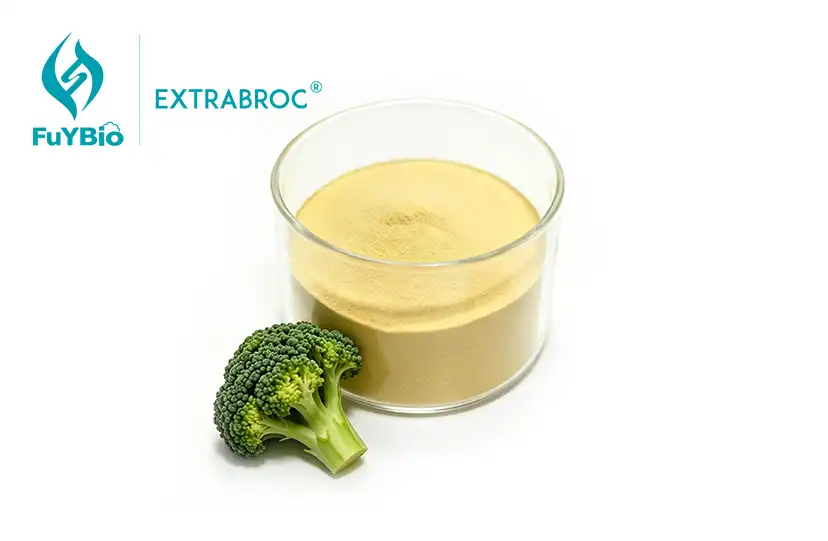
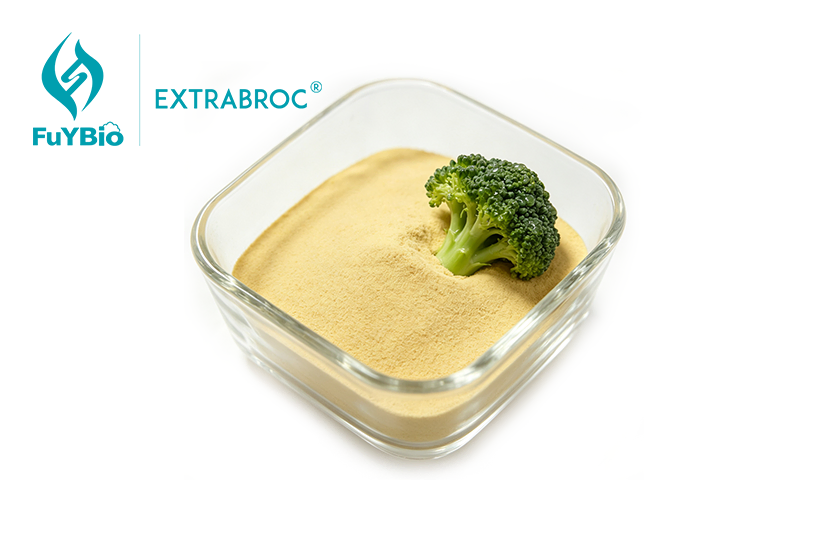
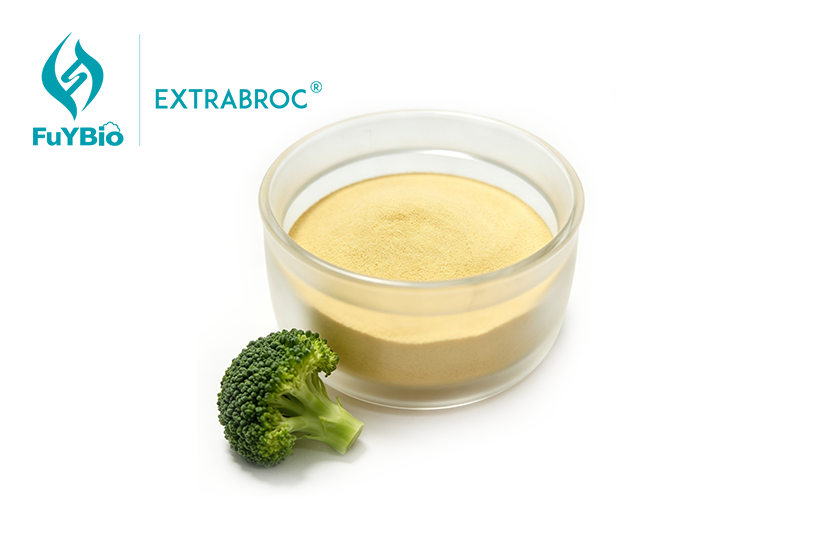
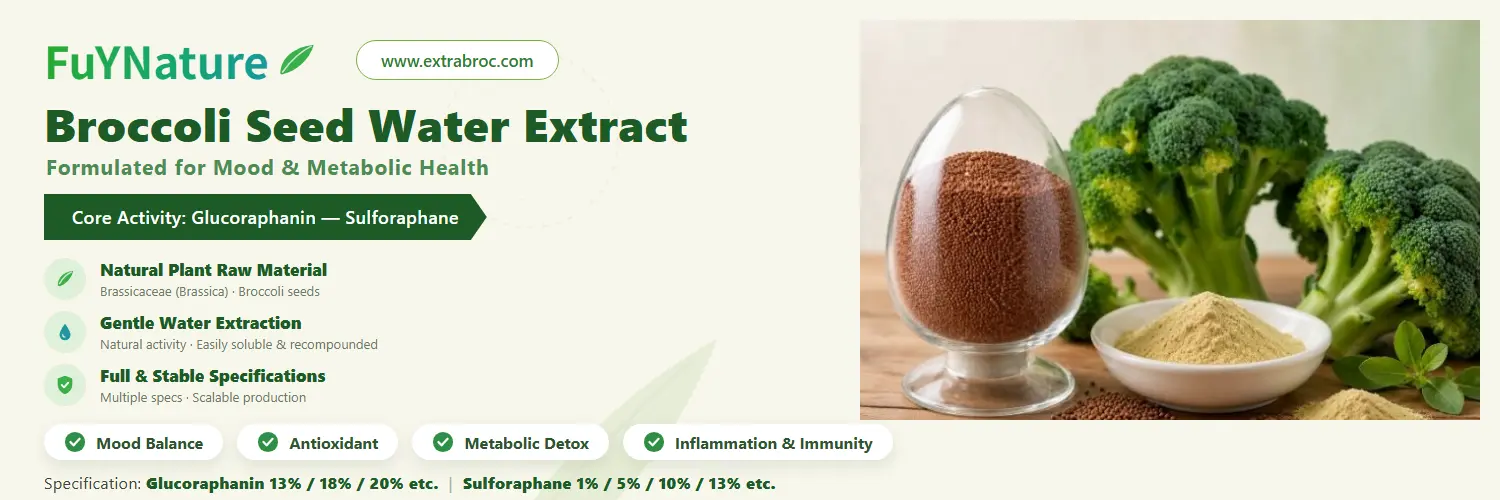
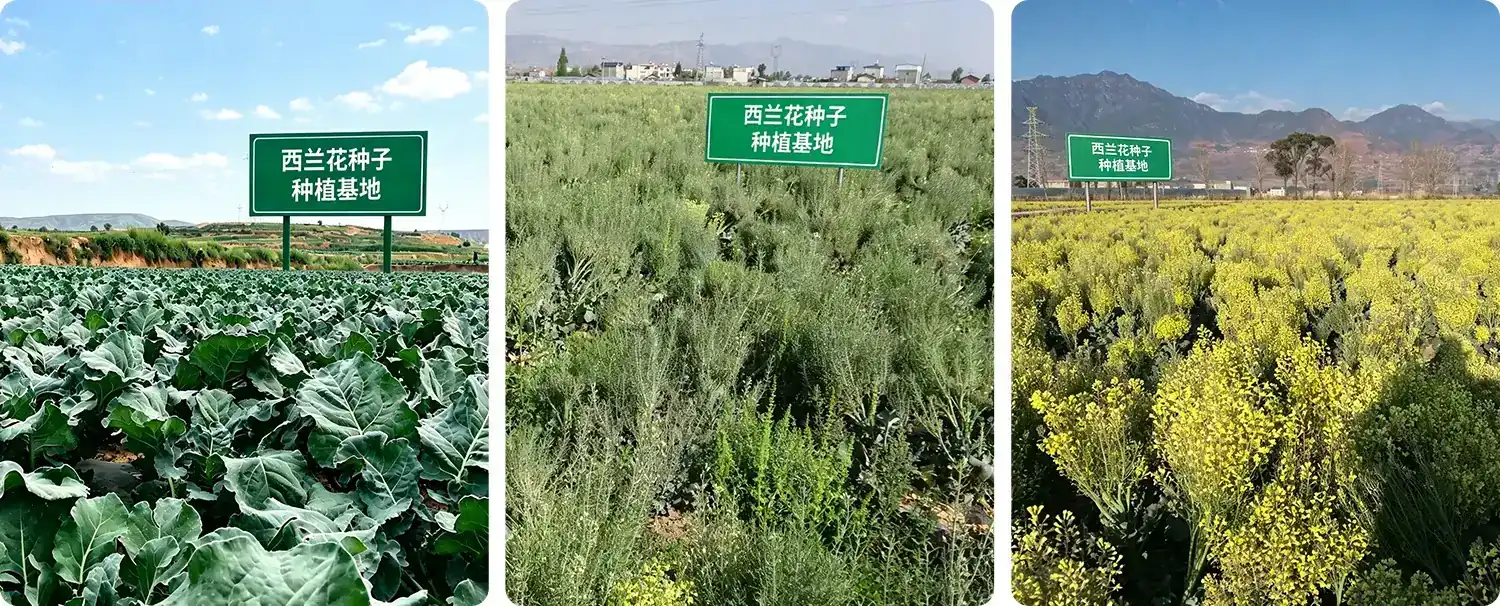
Broccoli is a plant species called Brassica oleracea var. italica, and FuYNature SFN 1% comes from its seeds. It's from China. There are no chemical solvents left over because we only use water to get rid of the powder. A fine, light yellow powder with a unique smell is what you end up with. It's important to eat the seeds because they have glucoraphanin in them, which is a building block for sulforaphane. Proc. of the National Academy of Sciences, 1997, said that broccoli sprouts that were only three days old had 10 to 100 times as much glucoraphanin as full-grown plants. At the start of that stage of growth are seeds, which give us a steady point of reference.
Glucoraphanin, Myrosinase, and Sulforaphane
It's important to pay more attention to labels that say "1%" because of three chemicals. Glucoraphanin is the name of the stable precursor. One of the enzymes that changes it is called myrosinase. Sulforaphane is the type of active isothiocyanate that helps the Nrf2 pathway. Cells get a message from this pathway to stay safe. Because pure sulforaphane is hard to predict, brands often choose a method that uses both a precursor and an enzyme. With glucoraphanin, horseradish powder with myrosinase, calcium salts, and a formula that has been patented, FuYNature has everything you need. The item must have at least 1% sulforaphane in it. The in vivo conversion rate is at least 55.8%. This means that formulators can be more certain of the amount than they could be with just a predictor, since everyone converts differently.
Seed Extract Versus Sprout Extract
A lot of supplement buyers mistake seed extract and sprout extract for one and the same thing. They're not. For sprouts, the type of food they are made of changes based on how they grow and when they are picked. Since seeds are dry and dormant, they are simple to store and measure. The information is better for comparing: the name of the plant, the method of extraction, the method of analysis, and a proof of analysis for each batch. Our SFN 1% is made with water extraction and HPLC testing, and we can keep track of each lot from the seed to the batch that is sold. The quality team can quickly answer questions about any batch because of this.
Putting Broccoli Seed Extract 1% Sulforaphane into Powder Blends
Product Formats That Suit the Powder
It can be used with a number of dry forms. It's something that's used to fill capsules. Company that sells sachets and stick packs add it to powders that are meant to be used only once. It's in functional nutrition mixes and greens products, along with other plant powders. Formulas that help with happiness and sleep, metabolic health, sports nutrition, and weight control are all things that SFN 1% is meant to be used in. It is said that at least 90% of the powder must be at least 180 μm in size. This is done to help with mixing. The powder has its own smell, so I think you should test it in both the real base recipe and a neutral carrier.
Calculating the Inclusion Level
The batch COA for Broccoli Seed Extract 1% Sulforaphane should come first, not the label. If an HPLC test shows that the batch has 1.0% sulforaphane, then 10 mg of sulforaphane are in one gram of powder. For example, if you want to get to 5 mg per serving, you would need 0.5 g of extract before any processing loss. Only add more money if your own reliability data shows a drop. It's important to get the weights right because 0.5 g is a very small amount of a normal serving. Start with the active goal, the size of the dose, and the market you want to reach. Then, go back to the extract weight and finish. You should check that all of the claims you make are legal in the U.S. before you print the label.
Blending Steps for Uniform Distribution
If you put a lot of low-dose actives into a big mixer at once, they might split. I believe in blurring shapes. Mix the same amount of extract with a carrier or some of the base powder. Then keep adding twice as much until everything is well mixed. Static, bulk density, and moisture can all change the flow, so check for all three. Next, get samples from various parts of the blender and use HPLC to confirm that the desired amount of sulforaphane is present. Before the full release, do this again with test batches. It tells you if your packing line, mixing time, and putting things in the right order.
Solubility, Stability, and Processing Considerations
Dispersibility Is Not the Same as Solubility
When I drink powder, I wonder how the extract works when mixed with water. Their dispersibility is a measure of how well they spread and stay in suspension. It's said to be soluble when something breaks down totally. A light yellow powder can spread out easily, but it may still leave behind a slight haze or grit. I'm not going to say that this extract is fully water-soluble because that's not what our standard says. I believe you should test it in your own drink base at the pH level and dose size you choose. Over time, keep an eye on the color, the sediment, and the taste. Please let us know right away if the physical grade of your drink style needs to be a certain one. This way, our team can look at your options.
Moisture, Heat, Oxygen, and Light
The active ingredients in plants react to what is going on around them. When you mix things that are wet, they can stick together and cause reactions that you don't want. Air, light, and heat can also hurt quality over time. So, I suggest adding the extract near the end of the process, avoiding hot steps as much as possible, and making sure the finished blend is sealed in a way that keeps water out. Before you spray dry, hot fill, or bake something, make sure the end result is stable. The spec we have only talks about the raw stuff. It doesn't cover all the steps that can be taken after that.
Storage and Shelf Life
If you store SFN 1% the right way, it will work for 24 months at room temperature. Keep it away from light and heat, in a cool, dry place. With two years to plan, businesses can decide what to stock, whether to ship by air or sea, and when to start making things. The shelf life of your finished blend will still depend on the recipe, how it's packed, and how much air it gets. To be sure, use your own stable program. Find out when the next test for each batch will be, and make a note of the warehouse's temperature and humidity when the containers arrive. Taking good notes will help you figure out what went wrong if someone complains.
Comparing Market Options and Verifying Quality
Sulforaphane, Glucoraphanin, and Glucoraphanin Plus Myrosinase
The business ingredients for broccoli and Broccoli Seed Extract 1% Sulforaphane can be grouped into three groups. The active form can be directly read from a powder that has been standardized for sulforaphane. The amount of sulforaphane you get depends on how much glucoraphanin powder you use. With the glucoraphanin-plus-myrosinase method, the enzyme is added. This helps with the change but raises questions about how to package it. A study from 2011 in Cancer Prevention Research found that people who took glucoraphanin without active myrosinase passed out a lot less sulforaphane metabolite than people who took sulforaphane directly. That's why I tell people who want to buy to look at the cost per verified active unit instead of the mass. If it's not clear how to switch to a cheaper powder, it might cost more per dose that can be used.
Testing Items Buyers Should Request
A good COA names the exact item and batch, as well as the analysis method. For SFN 1%, the sulforaphane level must be at least 1% by HPLC. The data we gave you shows that the amount of total aerobic bacteria is less than 10 cfu/g and the amount of inorganic arsenic is 0.042 µg/g. The food doesn't have any GMOs and meets standards for over 500 different things, like pesticide residues, heavy metals, and microorganisms. Once the water is taken out, there are no more organic solvents. I want buyers to look at these numbers and see if they match the lowest amount of money they are willing to spend. Send a sample you want to keep to a different U.S. lab if you have to, just to be sure it is real and works.
Certifications and Regulatory Position
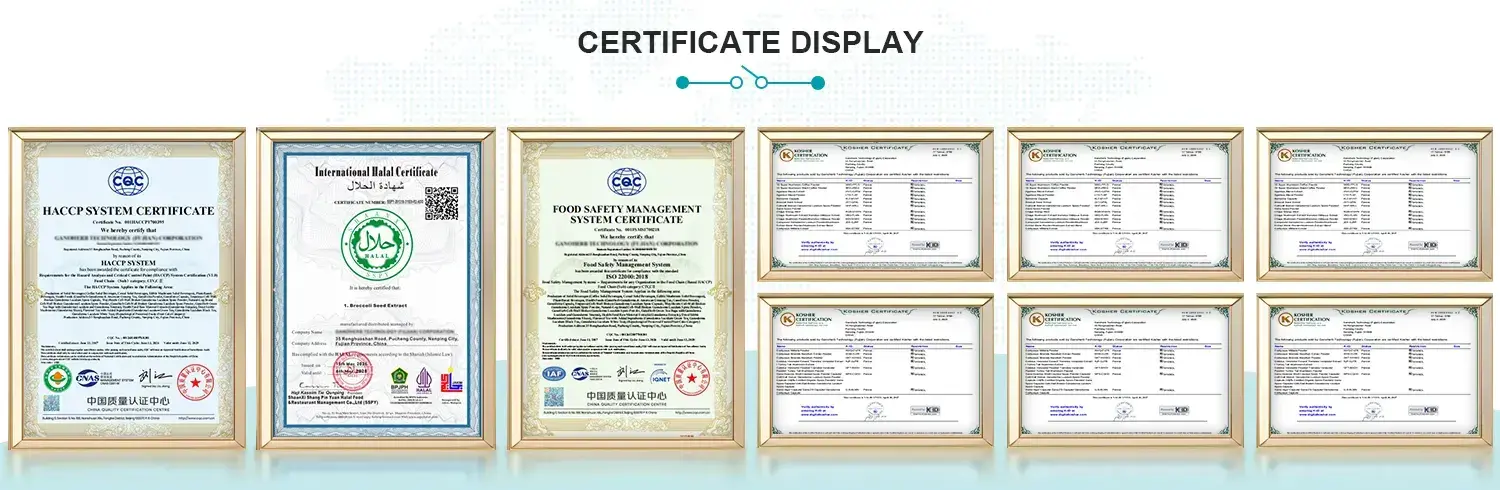
These pieces of paper show how a seller runs its business. We have certificates from FDA, GMP, ISO22000, HACCP, and HALAL. The ingredient fits with what the China National Health Commission said about broccoli seed watery extract being a new raw material for food. It is also safe according to the US FDA GRAS and USP-NF pharmacopeias. We can find out where each lot came from because we can track it from the seed to the end product. When it comes to making the finished supplement, U.S. brands still need to follow the rules in 21 CFR Part 111, which is called CAGP. We can give you the source paperwork that your quality team needs to make sure the thing is safe.
Supplier Selection, Workflow, and Common Mistakes
What to Look for in a Supplier?
First, think about the style of your item. It's important to pay attention to strength, flow, and wetness when making pills. The people who make drink powder care about how it looks, smells, and spreads. Teams that work on functional foods study how the temperature of cooking changes the taste. Most of the time, private-label clients need help with both getting ready and packing. It has been thirteen years since Fushan Biotechnology worked on food that targets Nrf2. They have patents on their ideas under substantive examination in the US, Japan, and China.We ship by air or sea, and every year we keep 50 tons in stock. Change the recipe, get help with HPLC tests, and we'll work with you to make new technologies that everyone can use. How much patent licensing help you get is based on how many orders you place.
A Pilot Workflow That Lowers Risk
A simple five-step plan keeps projects on track. Choose the format, serving size, market, and sulforaphane goal first. Once you have those, ask for examples, a technical data sheet, and the most recent COA. Third, use your real base recipe to do bench tests. Keep track of how the blend changes in terms of taste, consistency, and moisture. Fourth, make a test batch and check it with HPLC. Fifth, be sure that the rules about contaminants, shelf life, and storage conditions are still in place. Once everything is okay, check each new lot against its COA and ask for notices of changes. We have more than 10 human clinical trials and real-world studies for your science team to look over. Our R&D team is led by four PhDs.
Mistakes That Cost Time and Money
There are five mistakes that always happen. You can buy and sell any kind of broccoli in the same way. If the price per kilogram is low enough, they choose it. They don't test for sense or spread. They write about dosage or marketing claims that aren't supported by the data. They accept a COA that isn't finished. Each mistake is easy to fix: look at the standardization marker, figure out the cost per active unit, test in your own formula, make sure the claims are legal in the U.S., and request batch papers before placing an order. It's important that your regulatory team reads every label statement because it's what makes our cellular health positioning work.
Conclusion
When buyers match the needs with the form of the product, Broccoli Seed Extract 1% Sulforaphane works best in powder mixes. The label's symbol tells you both how much and how much it costs per active unit. This is because glucoraphanin, myrosinase, and sulforaphane all do different things. The batch HPLC result is used to set the levels of inclusion, and geometric dilution and pilot sampling are used to make sure that the levels are all the same. You should think about how something will spread, how wet it is, how hot or cold it is, how much light it gets, and how long it will last at room temperature before you handle or pack it. A clear COA, limits on contamination, certificates, and the ability to keep track of powders set them apart from each other. As part of a staged workflow, teams go through samples, bench tests, pilot batches, and specification lock. This lowers batch risk and keeps them from making common buying mistakes.
FAQ
What does 1% sulforaphane mean on a COA?
According to HPLC, the batch has at least 1% sulforaphane, which means that 10 mg of it are in one gram. A glucoraphanin specification measures a different chemical, so make sure you look at the marker on the certificate.
Is the extract fully water-soluble?
I wouldn't say it dissolves completely in water. Test the spread in a drink base that has the right pH level. Keep an eye out for silt, changes in color, and changes in taste.
Which documents should I request before a bulk order?
Find out about the minimum order number (MOQ), wait time, certificates, technical data sheet, COA, and different packing options. Getting a sample to test on a bench is the first real step.
Can the formula be customized?
Yes. We change the mix recipes, dosage types, and amounts of ingredients. We also help with tests and the HPLC process. Patent licensing help is based on how many orders there are.
Request Broccoli Seed Extract 1% Sulforaphane Samples from FuYNature
Are you looking for a provider of Broccoli Seed Extract 1% Sulforaphane who can give you paperwork, big amounts, and help with your formulations? With FuYNature, you can get SFN 1% that is stable at room temperature for 24 months, converts at least 55.8% of the time in living things, and is sold in 50 tons per year. Email info@extrabroc.com with the type of product you want, the market you want to reach, the amount you need each year, and how you want it packaged. You can also get a sample, quote, and specification package at extrabroc.com.
References
1. Proceedings of the National Academy of Sciences, 1997
2. Cancer Prevention Research, 2011
3. Molecules, 2019
4. Trends in Molecular Medicine, 2012
5. PLoS ONE, 2015
6. Code of Federal Regulations, Title 21, Part 111, 2007