Sourcing 13% Glucoraphanin Extract for Ingredient Manufacturers
Sourcing Broccoli Seed Extract 13% Glucoraphanin works best when you check four things before ordering: the HPLC assay and its calculation basis, batch-specific COA data, certifications, and production capacity. A standardized extract gives formulators a defined glucoraphanin dose that unstandardized seed powder cannot guarantee. At FuYNature, we supply a water-extracted, light yellow powder with Glucoraphanin ≥13%, made at facilities with GMP, ISO22000, HACCP, and HALAL certification, with 50 tons of yearly capacity. These checks apply whether you run a supplement brand, a contract manufacturing line, or a beverage company. This guide shows you what to verify, what to ask, and how to compare options.

What Is Broccoli Seed Extract with 13% Glucoraphanin?
Defining the Ingredient and the 13% Specification
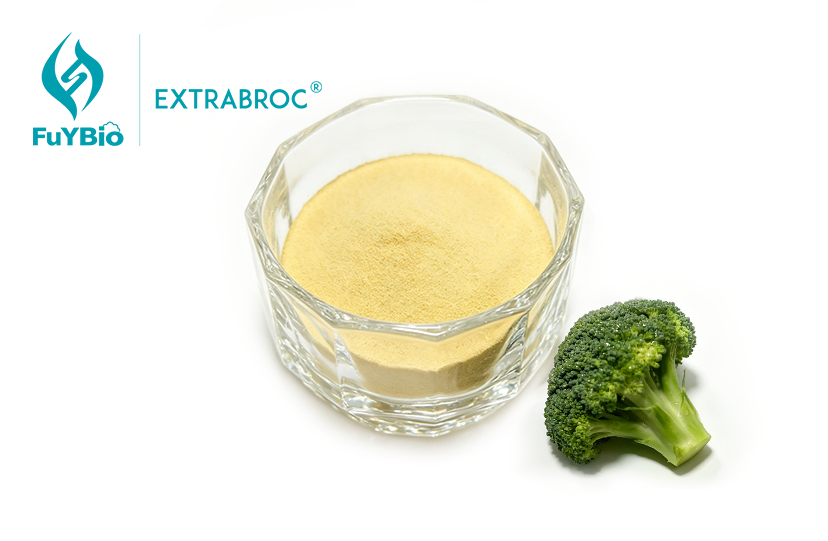
Broccoli seed extract comes from the seed of Brassica oleracea var. italica. Our Broccoli Seed Extract 13% Glucoraphanin is guaranteed to contain at least 13% Glucoraphanin and is made with water as the only solvent. HPLC proved this to be true. If you want to buy something, "13%" means that for every 100 grams of powder made in a certain way, there are at least 13 grams of Glucoraphanin. The number is only important if the method of analysis and the reason for the number are written on the certificate of analysis. It's important to know whether the result is reported "as-is" or "on a dry basis," since the two can be different. You can be sure of your dose and batch cost once you know the answer.
Seed Powder, Standardized Extract, and Sprout Extract
It can be hard to tell these words apart in quotes. The amount of Glucoraphanin in each lot of broccoli seed powder is different because it is made from ground seeds that have not been standardized. The chemical is focused, and a set amount is given by a regulated extract. Sprout extract comes from seeds that have already grown shoots. The way it is checked and the way it is made are different. There was a study in 1997 in the Proceedings of the National Academy of Sciences that showed broccoli buds have a lot more glucosinolate than grown plants. This is the big deal about sprouts. You can also find Glucoraphanin in seeds, and you can store a powder made from seeds. Compare things by how they were measured, not by their names.
Glucoraphanin and Sulforaphane Are Not the Same
It is the steady precursor called Glucoraphanin. You make Sulforaphane when myrosinase breaks down Glucoraphanin. It is the main isothiocyanate that you get. Don't think that the 13% on our label means Sulforaphane; it means Glucoraphanin. Molecules has a review from 2019 that says the amount of Sulforaphane you get is based on whether myrosinase is active. Heat, wetness, the formulation binder, and preservation can also change the conversion process. FuYNature says that Sulforaphane is converted at a rate of ≥55.8% in live things. Our team also made a standard method for Sulforaphane release technology. Ask each provider what exchange data they have and how it works.
Why Ingredient Manufacturers Source 13% Glucoraphanin Extract?
Dose Accuracy and Batch Consistency
People who make medicines need to know how much of the active ingredient is in each dose. When the powder isn't uniform and changes with the crop year, seed lot, and processing, it's harder to meet label goals. A Broccoli Seed Extract 13% Glucoraphanin that has been standardized makes sure that the Glucoraphanin level stays at least 13%. This lets you decide how many lots to include and how many lots to release. It also means that each serving needs less powder than when the ingredients are not standardized. In a tablet or powder blend, this means there is more room for other things. It is easier to keep track of changes and get ready for an audit when the assay data is the same from one batch to the next.
Dosage Forms and Product Types
Tablets, pills, beverages, and other carriers can all contain Broccoli Seed Extract 13% Glucoraphanin. It's found in a lot of different foods and supplements, like healthy drinks, sports nutrition items, and foods used for medical reasons. The standard number ≥90% at 180 μm can help you figure out how to mix and flow the material. Each app should have its own test plan. Compression tests must be done on tablets. Dispersion and taste tests must be done on drinks. Unevenness tests must be done on powder mixes. Before you start full production, make a few test runs and write down the results. This will help your quality team come up with good standards for what is acceptable.
Common Procurement Pain Points
A lot of the time, buying teams face the same problems with Broccoli Seed Extract 13% Glucoraphanin: test results that aren't the same from one lab to the next, test methods that aren't clear, unknown origin, missing paperwork, and not knowing the myrosinase status. This can delay the start of a product and make the approval process take longer. People who want to sell you something should answer before you ask. The test method is HPLC, the source is China, and the part that was used is the seed. Each batch of Broccoli Seed Extract 13% Glucoraphanin comes with a COA. From the seed to the end product, our method also keeps track of each lot. So, your quality team can use data to find the answer to any question by following it back to where it came from. You can go from sample to buy order more quickly with clear papers.

Key Technical Specifications to Evaluate Before Buying
Assay Method and Documentation
Please look at the analysis report for any Broccoli Seed Extract 13% Glucoraphanin raw material. The Glucoraphanin result, test method, lab, and batch number should all be included. In our specification, we say that Glucoraphanin is at least 13% by an internal HPLC method. There is no need to use a general glucosinolate screen to find Glucoraphanin because HPLC separates and measures each compound separately. The seller should tell you about any tools or carriers they use, and the seed should really be Brassica oleracea var. italica. Most of the time, a full package includes a COA, a technical data sheet, a safety data sheet, an origin statement, and stability data. Ask for all five before you sign off on a sample.
Physical, Safety, and Microbiological Data
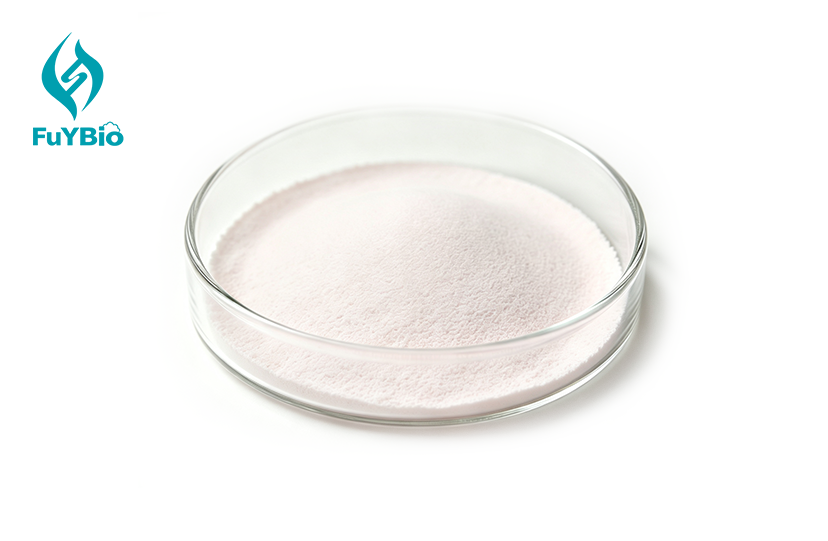
The powder we sell is fine and light yellow, and it smells a certain way. This sheet lists the amount of inorganic arsenic as 0.052 mg/kg and the number of total aerobic bacteria as 280 cfu/g. Isothiocyanate and other dangerous impurities are removed in a special way before they are cleaned. Pure water was used to extract the material, so no organic solvents are left behind. The material is also not GMO. More than 500 signs, like heavy metals, germs, and chemical residues, show that the material is up to par. If you keep it somewhere cool and dry, away from light and heat, it will last for two years. Before you place a test order, make sure that each number matches the amount of things you can accept.
Seed Extract Compared with Other Glucoraphanin Sources
Each source has good and bad points. Unstandardized seed powder is not as good at giving the right dose. Sprout extract comes from plants that have sprouted, and it needs to be tested on its own. Even though direct Sulforaphane products don't go through the conversion step, it's important to test them and make sure they are safe because Sulforaphane breaks down quickly. The 2017 issue of Molecular Nutrition & Food Research had a study that looked at how well stable Sulforaphane provided phytochemicals. It is important to remember the way the phytochemicals are delivered. It is possible to measure the amount of Glucoraphanin in a standardized seed extract, which also makes a stable precursor that can be kept at room temperature for 24 months. You can sort by drug type, shelf life goal, and conversion method. Then, compare the results with real data.
How to Choose a Dependable Broccoli Seed Extract Supplier?
Credentials Worth Verifying
Start with papers instead of vows. Make sure that the GMP, ISO22000, HACCP, and Halal certificates are up-to-date and cover the place where your lot is being made. Get copies and check the dates. It's important to have GMP certification for Broccoli Seed Extract 13% Glucoraphanin, but it's also important to have experience with HPLC testing and standard botanical extracts. The US FDA has rules for GRAS foods, the National Health Commission has said that broccoli seed aqueous extract is a new food raw material, and the USP-NF says that our product meets those rules. To get your product ready for the US market, talk to your regulatory advisor about how these references should be used on the label and the finished product.
A Practical Sampling and Approval Process
Things are less likely to go wrong when you have a plan. Write down the botanical source, the 13% goal, the assay base, the physical form, the contaminant limits, the packaging, the market where the product will be sold, and the amount that will be bought each year. Get samples from several suppliers and check them out to see how they look, smell, flow, spread out, assay, document, and respond. You should test your recipe in your own pill, powder, or drink system. For your first batch, you might also want to have a third-party lab test it. You should agree on criteria for batch release and a change control method before giving the final go-ahead. This way, the supplier will tell you if they change the process or the raw materials. A short written list keeps all candidates on the same level and speeds up the company's approval process.
Commercial Terms and Warning Signs
To get the best deal on bulk Glucoraphanin extract, you should compare the minimum order amount, wait time, production capacity, packaging, payment terms, Incoterms, and customs support. We can handle 50 tons of freight per year, and we ship by both air and sea. This means you can place big orders with us. Watch out for red flags like not being able to keep track of batches, failing to share documents, not being able to explain how they do tests, or making claims about their capacity that aren't backed up by facts. A seller will likely handle repeat orders in the same way every time if they answer technical questions quickly and in detail. You should think about both price and time, since having to wait for paperwork can cost more than a small price difference. Write down the lead time for each shipping method and ask each supplier to do the same.
Verifying Quality and Building a Long-Term Supply Partnership
How to Verify Quality and Storage?
Check the batch record against what the seller says to be sure of the date, method, and result. Send a sample that you want to keep to a different lab for a new supplier, a variation investigation, or a very important commercial lot. Tests are important, but storage is even more so. Our Broccoli Seed Extract 13% Glucoraphanin should be kept somewhere cool and dry, away from light and heat. We think you should keep it there for two years. When you buy something, make sure it comes in moisture-barrier packaging. Also, keep an eye on the warehouse temperature and make plans for when to test again. Check the organic, Halal, or Kosher rules before you go to the market because each one has its own rules.
Supply Capacity and Logistics
It doesn't matter how good the specs are if there isn't enough supply. Find out how many people can work at peak times, where the raw materials come from, and what the backup plans are in case the crops change or shipping is delayed. FuYNature has built a full industry chain that goes from growing seeds to making meds that are used in hospitals. We can only move 50 tons per year, and we can use either air or sea freight, based on your needs and schedule. If you're in the US, please plan ahead for lead time and customs paperwork. Also, let us know when you need the goods so we can make sure they get made when you need them.
Working Directly with a Broccoli Seed Extract Manufacturer
FuYNature is backed by an R&D team led by four PhDs. The company has filed 54 invention patents, over 30 of which have been granted. For 13 years, we have focused on Nrf2-based functional nutrition, supported by more than 10 clinical trials and real-world studies. We offer customers formula customization, patent licensing support (subject to order volume evaluation), joint technical development, and supporting HPLC analysis services.
Conclusion
Broccoli Seed Extract 13% Glucoraphanin's number is based on data that has been checked by a third party. It should be noted that the 13% number is for Glucoraphanin and not Sulforaphane. This is because Glucoraphanin was tested using a different HPLC method. Standardization makes dose precision and batch stability better than seed powder. You can make tablets, powders, and drinks out of the stuff. Tests are used to compare sources, and buyers then look at the COA, licenses, safety and bacterial limits, and how long the product can be stored. There is a lower chance of approval when there are steps like formulation trials, sample trials, and batch-release criteria. Whether the supply stays steady after the start date rests on things like delivery, capacity, and lead time. Not the promises on the label, but the proof that they are true, should determine the final decision.

FAQ
Does 13% mean the extract contains 13% sulforaphane?
That's not right. HPLC was used to find out that the 13% is Glucoraphanin. Someone or something called myrosinase turns Glucoraphanin into Sulforaphane. The way things change depends on where they are. According to FuYNature, the rate of Sulforaphane conversion in living things is ≥55.8%. Always check the label to see how much Glucoraphanin it has. If it says it has Sulforaphane, you should ask the seller how that number was arrived at.
How should I store it?
Keep it away from light and heat, in a cool, dry place. It will last for two years if you keep it that way. Close the bottle again after each use to keep water out.
Which documents should I request?
Ask for a COA that is unique to the batch, the standard sheet, and the certificates for GMP, ISO22000, HACCP, and Halal. Also, make sure it meets FDA GRAS and USP-NF standards.
What capacity and customization options are available?
We can ship by air or sea, and each year we can handle 50 tons. We can change the specs and offer recipe customization, which means you can change the materials, how much you use, and how you mix them.
Can I request a sample before a bulk order?
Yes. Send us an email at info@extrabroc.com with your target form and dosage information, and we'll get back to you with sample information and documents to back it up.
Request a Sample of FuYNature Broccoli Seed Extract 13% Glucoraphanin
Looking for a business that sells Broccoli Seed Extract 13% Glucoraphanin and has proof to back up what it says? Send an email to info@extrabroc.com with the product's destination country, dosage form, target specification, and an estimate of the length of time it will take to arrive. You can get samples of FuYNature from Hefei Fushan Yuansheng Biotechnology Co., Ltd. They will also send you a COA for each batch and prices for buying in bulk. Your launch is backed by stable production that can handle 50 tons per year and is approved by GMP and ISO22000. Visit extrabroc.com to find out more.
References
1. Fahey JW, Zhang Y, Talalay P. Broccoli sprouts: an exceptionally rich source of inducers of enzymes that protect against chemical carcinogens. Proceedings of the National Academy of Sciences, 1997.
2. Fahey JW, Zalcmann AT, Talalay P. The chemical diversity and distribution of glucosinolates and isothiocyanates among plants. Phytochemistry, 2001.
3. Egner PA, Chen JG, Wang JB, et al. Bioavailability of sulforaphane from two broccoli sprout beverages: results of a short-term, cross-over clinical trial in Qidong, China. Cancer Prevention Research, 2011.
4. Dinkova-Kostova AT, Kostov RV. Glucosinolates and isothiocyanates in health and disease. Trends in Molecular Medicine, 2012.
5. Fahey JW, Wade KL, Wehage SL, et al. Stabilized sulforaphane for clinical use: Phytochemical delivery efficiency. Molecular Nutrition & Food Research, 2017.
6. Yagishita Y, Fahey JW, Dinkova-Kostova AT, Kensler TW. Broccoli or Sulforaphane: Is It the Source or Dose That Matters? Molecules, 2019.