What Quality Standards Should Buyers Check When Sourcing Pure Cordyceps Militaris Extract?
If you are going to purchase Pure Cordyceps Militaris Extract, look for five things: a confirmed botanical identity with a history of cultivation; batch-level marker results such as polysaccharides and beta-glucan; a clear extraction and manufacturing record; contaminant and microbiology testing backed by a matching Certificate of Analysis (COA); and stable physical performance with a documented shelf life. We suggest that you read each item as a written specification and not as a marketing phrase. “Premium” or “high potency” words mean nothing until they are backed up with a number, a test method, and a report specific to the lot. Here are steps that you can take to verify each point before approving a supplier:

Define "Pure" and Verify Identity and Traceability
What "Pure" Means in a Purchase Specification
It is the written specification, not the impression, that should be called "pure" in procurement. Buyers must tell us the type of plant, the part of the plant they want to buy, the method of extraction, the ratio of extraction, any carriers like maltodextrin, and the final powder format. We don't think the product is pure if the seller can't name the carrier or say that none is added. Check for hidden grains, fillers, and mushroom species that are not related. Cordyceps militaris grows on grain substrates, which is where cheap blends can hide. A clear specification turns a label that isn't very specific into something that a lab can check. The COA, the label, and the quote should all talk about the same thing.
Fruiting Body, Mycelium, and Blends
What goes in the bag depends on the type of material. The structure you can see in the mushroom is the fruiting body. Mycelium, which looks like a root, can carry leftover solids from the substrate into the finished powder when it grows on grain. Blends combine the two. Both can be real, but the label needs to say which one it is. Our Cordyceps Militaris Extract comes from China and is made from the fruiting body. This information helps people who want to know the exact source of a supplement, drink, or skin care product. If you want to make sure that the material used in later lots doesn't change without notice, you should write "fruiting body only" into the purchase agreement.
Strain, Origin, and Batch Traceability
From the farm on, you can track things. Find out about the strain, where it came from, cultivation records, harvest dates, and processing dates. Then, make sure that the COA lot number is linked to those records. If the product says it is organic, make sure the certificate is still valid. The USDA has certified our extract as organic, and the rules for production are set out in 7 CFR Part 205. Identity checks are also important. HPLC fingerprinting and DNA barcoding show that our extract is indeed C. militaris. DNA methods are a well-known way to identify fungi. Finally, ask for a formal way to let them know about any changes to the strain, site, or subcontractor before the shipment.
Evaluate Active Compounds, Extraction, and Manufacturing Controls
Reading Marker Results and Standardization
Standardization means that there is a certain minimum standard for a marker that each batch must meet. Our Cordyceps Militaris Extract has 10% to 50% polysaccharides, 10% to 30% fully water-soluble beta-glucan, and 10% to 50% partially water-soluble beta-glucan. UV was used to examine the extract. How is it done? What is the reporting unit? Are the numbers on a dry basis ? It is better to have minimum guaranties than typical values to protect a formula. Scientists often use adenosine and cordycepin as markers when studying C. militaris. But we have no cordycepin standard in our current specification. If your formula requires one, make sure you have it in writing before placing your order.
Hot Water, Alcohol, and Dual Extraction
The compound profile of Pure Cordyceps Militaris Extract is shaped by the extraction method. Most of the time, polysaccharides and beta-glucans dissolve better in hot water. Ethanol-water extraction can reach compounds that are less polar, but it needs more solvent to be left over. Dual extraction takes both steps and does more than one thing at once. These are general patterns, so make sure the method you use fits the marker and label you want to find. Spray drying is a common last step that makes a standard powder that is easier to dose than raw mushroom powder. Right now, our specification sheet doesn't say what the extraction solvent is for this grade, so buyers who need that information on a label should ask us to make sure.
Manufacturing and Food Safety Controls
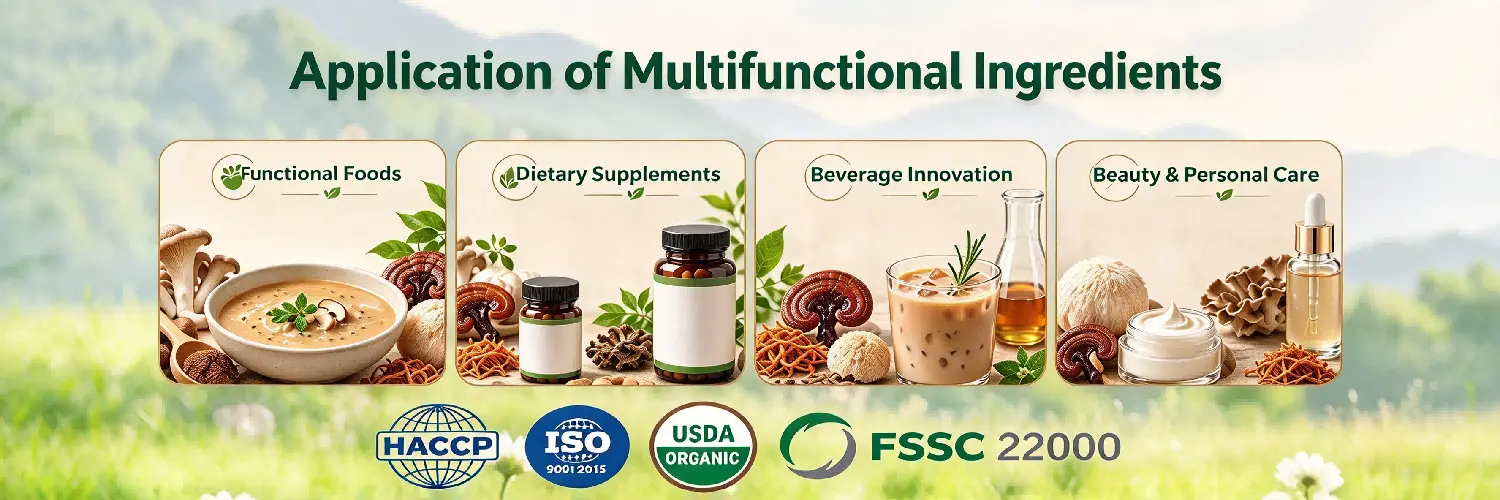
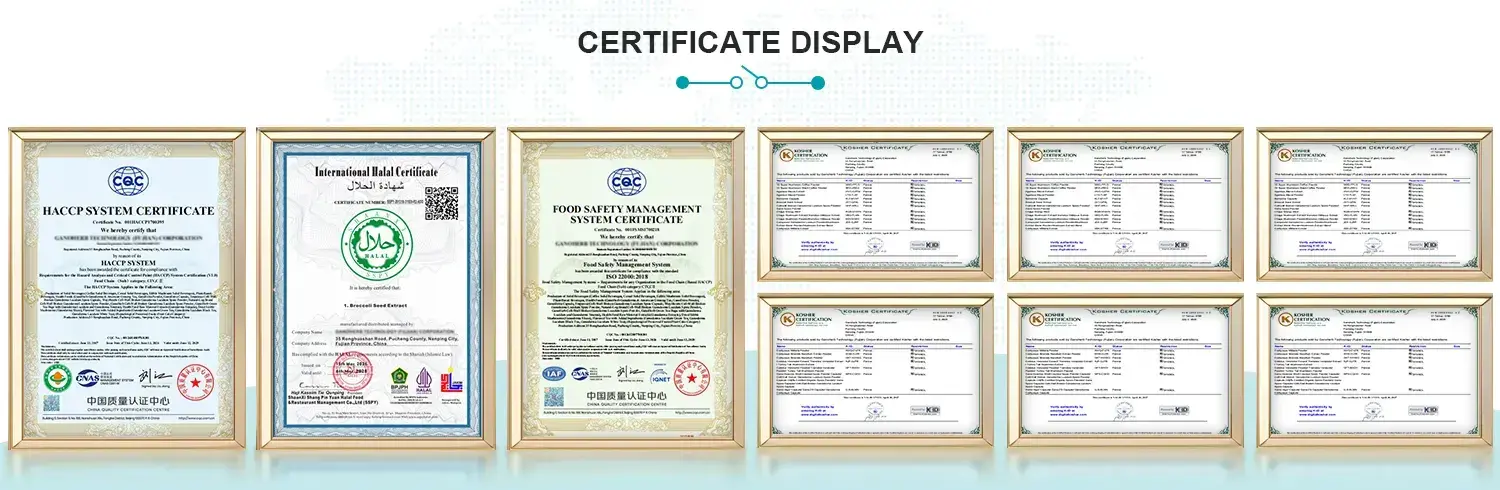
A COA only says what was tested in a lab. The controls on the plants show how the lot was made. Check to see if the certificate scopes match the product and if there are records for cleanliness, pest control, metal detection, foreign matter prevention, and temperature management. Good manufacturing practice for dietary supplements is set by 21 CFR Part 111 in the United States. As a result, many buyers hold ingredient suppliers to the same standards. It has been certified by HACCP, ISO9001:2015, USDA Organic, and FSSC 22000. Also, find out if the extract is made in-house or somewhere else. We use an all-in-one system for growing mushrooms that controls the whole process, from choosing the strains to growing them. This means that the first steps are all part of the same controlled process.
Use the COA and Contaminant Testing as Procurement Controls
What a Useful COA Contains?
The COA should be used as a control document and not as paperwork. It should have the name of the product, the lot number, the date it was made, the date it expires or needs to be retested, all of its specifications, test methods, numerical results, and a quality approval. Check that the lot number on the drums you receive matches the number on the template, and keep an eye out for templates that use the same numbers on every lot. 21 CFR 111.75 says that a manufacturer must use at least one appropriate test to make sure that each dietary ingredient is what it says it is. They can only rely on a supplier's COA for other specifications after making sure that supplier meets certain requirements. A COA backs up your testing; it doesn't take the place of it.
Heavy Metals and Microbiology
Check for lead, arsenic, cadmium, and mercury as contaminants. This is usually done with an ICP-MS or ICP-OES . Yeast and mold, coliforms, E. coli, and Salmonella should also be included in the total plate count. It says that our extract has the correct heavy metals and less than 1000 cfu/g mold. It is not on our current sheet. If a buyer wants a number limit for each metal, he should write to us. You should limit risk and the rules your finished product has to meet. You should also include moisture and water activity in the review because microbial growth will be enhanced if the powder is wet during storage.
Extra Testing and Independent Laboratories
Buyers may add tests for pesticides, mycotoxins, allergens, GMOs, irradiation, or adulteration, depending on the source and destination markets. Because grain can be used as a growth medium, any gluten-free claim needs ELISA testing that is specific to the batch, and we make that clear. When you have a new supplier, a large order, a private label launch, or a market that is regulated, it makes sense to have testing done by someone else. You can also use a third-party result to check the supplier's COA without bias. Send a sample from the first lot that you want to keep to a laboratory that is ISO 17025-certified if your quality team asks you to.
Check Physical Quality, Shelf Life, and Packaging
Solubility and Formulation Performance
Just because you meet the lab requirements doesn’t mean you’ll have a smooth production run. Here is your real formula. Test its color, taste, smell, dispersibility, sedimentation, turbidity, dissolvability, and miscibility. Our extract is a yellow-brown color and has a peculiar smell. We recommend starting with the fully water-soluble beta-glucan grade (10% to 30%) for beverages, coffee blends and RTD shots, and then testing for flavor and clarity. Check the flowability, bulk density, and caking of capsules and tablets at the speed you will be compressing or filling them. The particle size is not on our sheet, so please ask for it. Also double-check any long steps in your recipe that use high heat.
Hygroscopicity, Shelf Life, and Storage
Pure Cordyceps Militaris Extract is hygroscopic, and so moisture control is started as soon as the extract is received. Shelf Life: 24 months in a cool, dry place away from light and heat in its original, sealed container. Real-time or accelerated stability data can be provided by any supplier and include color, solubility, moisture, microbiology, and marker content. ICH Q1A(R2) recommends long-term studies at 25 °C and 60 % relative humidity. They recommend 40 °C and 75% relative humidity for accelerated testing over a six-month period. This can help you work out what to ask for in terms of conditions. Binders are used to stop gumming or clumping, particularly in softgel matrices.
Packaging and Transport Checks
Powders shipped by sea or air have to deal with changes in humidity and temperature. Ask about the kinds of barriers the package has, such as foil liners, multi-layer bags, light, oxygen, and moisture protection, and non-reversible seals. Our current sheet doesn’t say anything about packaging or MOQ, so we get a quote to confirm these things. We can assist with air and sea freight. Inspect the powder, lot information, and packaging upon arrival of the shipment before accepting. Look for clumps, a change in smell, or wet spots and compare the lot number to the COA. Any deviation is recorded immediately, so that corrective action may be taken right away.
Compare Suppliers and Run a Qualification Process
Compliance, Capacity, and Total Cost
The price given only covers part of the cost. Check the validity and scope of the certificate, as well as the documents for the destination market, the capacity, the minimum order quantity, the lead time, emergency restocking, and the consistency of the batches. Compare suppliers that only sell ingredients with those that also do OEM, ODM, private label, capsule, tablet, or sachet work. Now add the things that you might not have thought of: testing, freight, tariffs, formulation trials, storage, and the chance that a batch will be rejected. A reliable partner will have experience exporting and be able to answer technical questions quickly and clearly. Send us the polysaccharide or beta-glucan range you need, and we'll make it happen.
A Staged Approval Workflow
Here are four steps we suggest. First, look over the papers and send a questionnaire to the supplier. Second, ask for a test sample that is typical of the batch and comes with a unique COA. Third, check the formulation's identity, potency, physical properties, and performance in your own lab. Then, make a pilot batch or small order. Fourth, use weights that match your risk to rate the supplier on traceability, standardization, testing, compliance, capacity, and communication. After approval, keep the controls in place with an incoming inspection, change notification, regular independent tests, deviation records, corrective actions, and a review once a year. The problems are found early on in this staged path, when they are still cheap to fix.
Common Mistakes and a Final Checklist
People often make four mistakes: picking a product just because it says it has a high cordycepin content, thinking that a higher extraction ratio means better quality, taking a generic COA at face value, and not thinking about solubility or freight needs. Claims about potency don't mean much without information about identity, contaminants, carrier, and consistency. Before you place your order, make sure you know the botanical name, plant part, traceability, extraction method, marker results, contaminant tests, certificates, shelf life, packaging, storage, carrier content, particle size, and how well it fits with your product. Not the cheapest wholesale price, but the one whose quality has been checked and whose communication is clear.
Conclusion
You can get more information than what Pure Cordyceps Militaris Extract labels. A written definition of purity is required which includes the species, plant part, extraction method and carrier together with records of identity and traceability. Potency is indicated by controls for extraction and production, and by polysaccharide and beta glucan marker values. Safety is demonstrated by a lot-corresponding COA, contamination and microbiology testing, and third-party checks. How well the powder works in capsules, tablets, or drinks depends on its solubility, how it reacts to moisture, its shelf-life, and the type of packaging used. An approval process that takes you through the steps and shows you the total cost helps you avoid the common mistake of chasing one marker or the lowest price.
FAQ
What should a valid COA include?
It should have the name of the product, the lot number, the dates it was made and when it goes bad, as well as its specifications, test methods, numerical results, and quality approval. You must match the lot to your shipment.
How can I verify botanical identity?
We can give you HPLC fingerprinting and DNA barcoding results, which you can then compare to the results of your own identity test.
Does high cordycepin alone prove quality?
Not at all. Cordycepin is a marker. The identity, carriers, contaminants, extraction method, and batch consistency are all important. At this time, our specification does not include a cordycepin standard.
What should I ask before a bulk order?
Ask about certificates, minimum order quantity (MOQ), lead time, export support, OEM or ODM options, and how to handle changes. Our current sheet doesn't list MOQ or packaging, so we get quotes for both to be sure.
Is the fruiting body different from mycelium?
Yes. The fruiting body is what our extract uses. If mycelium grows on grain, it can carry solids from the substrate.
Request a Pure Cordyceps Militaris Extract Specification Review
Send FuYNature your application, the range of polysaccharides or beta-glucans you want to use, your certificates, the market you want to sell to, the format of the packaging, and the amount of product you produce each year. Your team will look over your requirements, make a sample, and share technical files. If you are looking for a Pure Cordyceps Militaris Extract supplier, our fruiting body grade is USDA Organic certified and has a shelf life of 24 months. To get started, email info@extrabroc.com or go to extrabroc.com and look at the documents and sample.
References
1. Code of Federal Regulations, Title 21, Part 111 (Current Good Manufacturing Practice for Dietary Supplements), 2007
2. Code of Federal Regulations, Title 7, Part 205 (National Organic Program), 2000
3. Fitoterapia, 2010
4. Foods, 2021
5. Journal of Natural Products, 2017
6. ICH Q1A(R2) Stability Testing of New Drug Substances and Products, 2003