How to Source Natural Lycopene for Functional Food and Beverage Formulations?
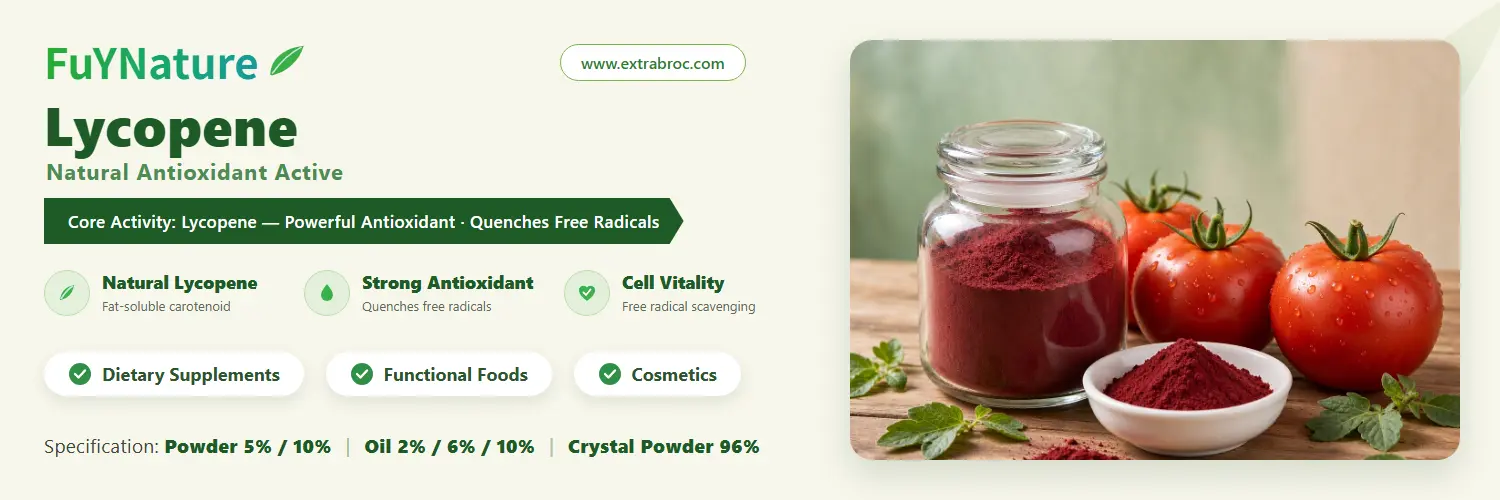
If you want to find Natural Lycopene for functional food and drink recipes, start with the product you want to make, not the price list. Set the amount, the base, and the steps for processing. Then pick the right form, like oil, crystal powder, or powder. Check the active ingredient with HPLC, make sure the paperwork is good, and use test samples in your own recipe. You should not only compare quotes by weight, but also by active lycopene. If you want to know how to get a steady supply of a deep red carotenoid from your first inquiry to the end of your project, this guide was written for you.
Start With Your Application and the Ingredient Itself
Define the Application Before Choosing a Natural Lycopene Ingredient
A short product brief is the first step in any good sourcing project. Write down the amount of medicine per serving, the size of the serving, the base (water, oil, dairy, or dry mix), the steps you need to take to make it, the color you want, and the people you want to sell it to. It's important to have a clear brief because the same ingredient acts in various products in different ways. Since a softgel is an oil system, it makes sense that it has an oil grade. A dry system is a solid drink or a tightly packed tablet, so a microencapsulated powder is a better place to start. Figure out your first order and the amount of work you do each year. Then, suppliers can suggest a grade that works with your plan, and you won't have to buy an ingredient that doesn't mix well with your base.
Understand What Natural Lycopene Is and Where It Comes From
Lycopene is a carotenoid that dissolves in fat. It is the red color in tomatoes. It's also found in watermelon, guava, and pink grapefruit. Tomato sauces and other tomato-based foods are some of the best sources of lycopene. Studies show that cooked tomato products usually have more lycopene available than raw ones. Lycopene is an antioxidant because, unlike many other carotenoids, it is not turned into Vitamin A by the body. It is one of the carotenoids that works better as an antioxidant. As long as research is going on, any claims you make about a finished product must be in line with what your target market wants. When you look at different suppliers, find out where the raw materials come from, how the extract was made, and whether the percentage given is for active lycopene or the whole extract.
Choose the Right Natural Lycopene Delivery Format
I think of format as a core decision because it determines how the ingredient works in your base. You can get our Natural Lycopene as a 5% or 10% powder, a 96% crystal powder, or a 2%, 6%, or 10% oil. We ask buyers to confirm the powder format before they buy the microencapsulated powder, which can be used in water-based systems, solid drinks, and compressed tablets. The oil works well with softgel capsules and oil-based medicines. There is a lot of active ingredient in crystal powder, which is helpful when you only need a small amount of it. Lycopene is best absorbed when it is mixed with fat, which is why it is often found in oil and softgel forms. If none of these levels work for you, let us know what you want and we'll suggest a grade that does.
Judge Quality, Stability, and Suppliers
Evaluate Natural Lycopene Quality, Purity, Stability, and Bioavailability
The assay is the first step in quality checks.” We test for active content by HPLC. The product page states heavy metals and microbiology “Meets standard”. There are no numbers given on the page so I always tell buyers to ask for the documents to get the exact grade. For example, one supplier may use the term “active lycopene” and another may use the term “total extract” or “total carotenoids” so you should compare purity on a like-to-like basis. Stability is a big thing, too. When it comes in contact with light, heat, oxygen and water, lycopene changes. So keep it somewhere cool and dry, away from light and heat. If you keep it like that it will last 24 months Raw material is not the only factor governing bioavailability. Look at the whole thing , not just the ingredient . The body 's absorption varies with things like dietary fat and heat processing .
Build a Supplier Evaluation Scorecard for Natural Lycopene
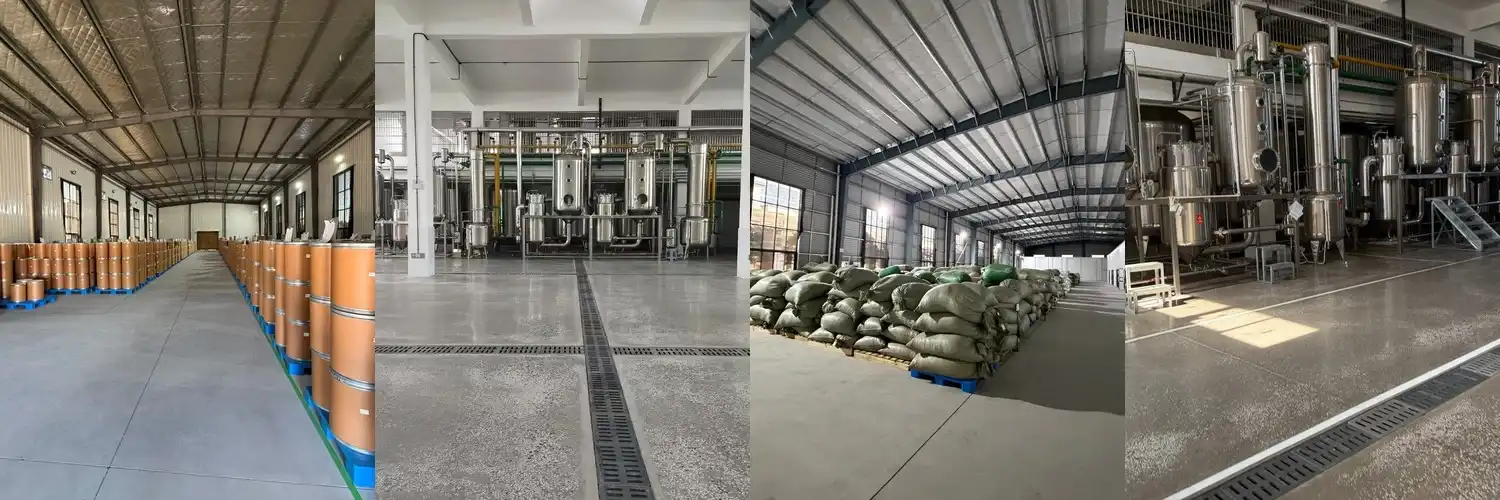
A scorecard makes sure that the choice of Natural Lycopene is fair. After making a list of the things that are important to your product, give each supplier the same score. Active content, source information, available formats, documents, lead time, minimum order quantity, packaging, technical support, and shipping options are some of the things I would include. Pay attention to the making part too. Our production partners are certified in GMP, ISO22000, HACCP, and HALAL. If you ask, we can confirm the documents and regulatory status for each grade and market. Ask each applicant to show you a current Certificate of Analysis, a specification sheet, and a clear statement of where the sample came from. Take note of how quickly and clearly they answer technical questions, as the quality of the response during sampling often shows how well the support will be during production. Also, find out if they can do a small test order before you sign a full contract.
Compare Natural Lycopene Suppliers and Formulations Objectively
When the goods are not the same, price comparisons don't work. You can't compare a 5% powder to a 10% powder per kilogram. Add up all the costs, such as carriers or encapsulation, packaging, freight, duties, testing, and processing losses. Then divide each quote by the amount of active lycopene. Make sure that each quote has the same trade terms, like EXW, FOB, or CIF. This will help you compare the same scope. We can handle both air and sea freight, so you can choose the speed and cost that work best for you. Also look at claims. If a supplier gives you bioavailability data, make sure it fits the format they are giving you. It's not automatic for data from one delivery system to move to another. It takes an hour of math to make a fair comparison, but it keeps you from getting a costly surprise on your first order.
Control Risks and Follow a Clear Procurement Process
Manage Formulation and Procurement Risks
Most problems with sourcing occur more than once. Buyers think all red extracts are alike. They compare extract percentages, not active ingredients. They choose the cheapest quote without checking the fine print. They forget that lycopene changes when exposed to light and heat. As far as the science goes, look for uneven color, sedimentation, poor dispersion, loss of potency, and off notes. Before you go big, look at the deep red in your own base. It will change how the end product will look. On the business side, be aware of vague lead times, missing customs paperwork and poor batch traceability. To reduce these risks, first approve a sample, then run a pilot batch, set up release criteria, request change notices and ensure you have a backup supplier for critical products.
Follow a Step-by-Step Natural Lycopene Procurement Process
Here is the order I think is best. First, write the brief for the product from earlier. Next, make a short list of suppliers and ask for samples of the grades that match your base. Third, get the quality documents, specifications, and storage conditions for each grade. Fourth, do a pilot test with your real formula to check the dispersion, color, sensory impact, and potency retention. If you need numbers, use HPLC analysis. Fifth, look at the total cost to land, the lead time, and the reorder points. The sixth step is to agree to the quality terms, which include change control. If you do these steps in the right order, you can turn an unstructured price hunt into a planned project. It also keeps a record for your team in case a batch needs to be looked over again.
Application Guidance for Functional Foods and Beverages
Test Natural Lycopene in the real world. Check how the ingredient mixes with water, whether it settles, how pH affects it, and how it reacts to heating, homogenizing, filling, and packaging when used in drinks. Do separate tests for systems that are clear, opaque, carbonated, dairy-based, plant-based, and powdered. Our microencapsulated powder works with both liquids and solids. Lycopene gives baked goods color and health benefits at the same time. Check to see how the red color does in your oven. For softgels, make sure the grade of oil you use matches the grade of the oil you fill them with, and keep an eye out for oxidation. During the processing, keep the material away from light and heat. We can give you reference ideas for formulations and dosage forms, but you should test the performance of the finished product yourself. Creating custom finished goods is the subject of a separate conversation.
Request a Quote and Choose a Long-Term Partner
How to Request an Accurate Quote for Natural Lycopene?
A clear question gets a clear answer. Include the format, the target assay or dosage, the use, the first order, the yearly outlook, the country where the product will go, the certifications you need, the packaging, and the amount of time you think it will last. Find out about the supplier, where the goods are stored, the minimum order size, the lead time, the payment terms, and the shipping options. Then, rate each offer based on the amount of active lycopene it contains. Finally, add up the costs of shipping, customs duties, testing, storage, and a batch that was turned down. If you store our grades the way we describe above, they will last for 24 months. This gives you time to plan when to reorder. A clear request also cuts down on the number of follow-up emails that need to be sent.
Why a Qualified Natural Lycopene Partner Matters?
Some suppliers only ship drums, leaving all the tough challenges to you. As your partner, FuYNature helps you select product formats, send representative samples, recommend handling protocols, and troubleshoot issues encountered during pre-mixing and dispersion.FuYNature has focused on targeted functional nutrition for years. We can adjust specifications and optimize formulas to meet client requirements, and provide technical process support as well as HPLC testing services.When choosing a partner, evaluate whether they can consistently deliver high-quality samples, complete documentation and executable projects, and grow alongside you. You may begin with a pilot project to verify cooperation performance, and later expand to private-label manufacturing, OEM or multi-market programs.
Natural Lycopene Specifications You Can Review Before You Ask
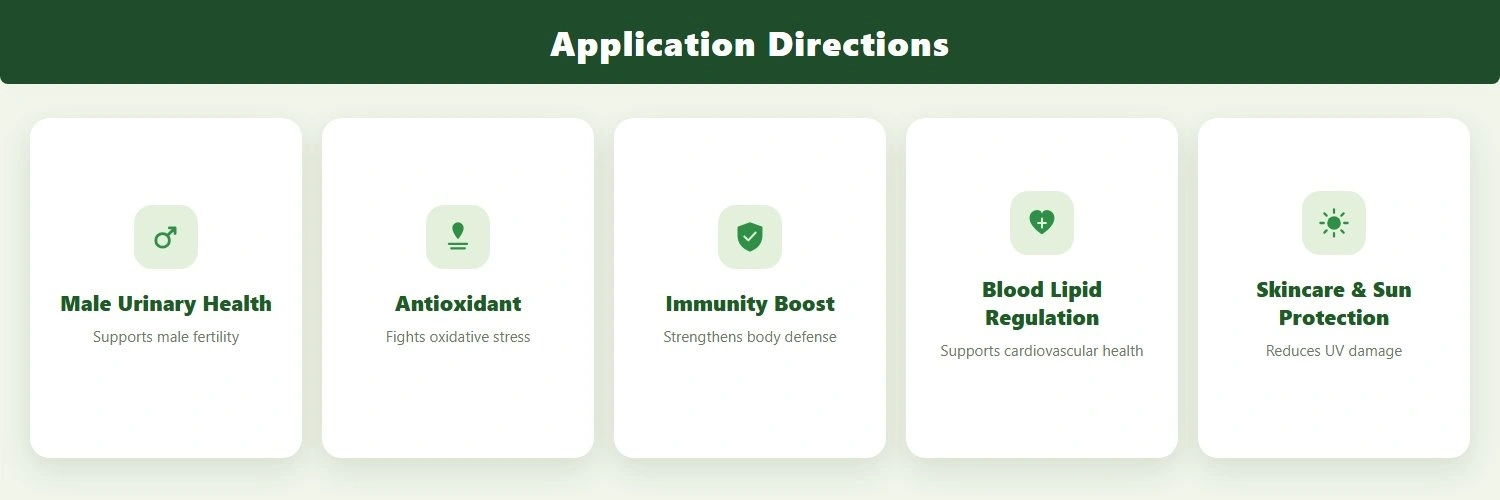
Here’s what the product page now says. This is the lycopene. It appears to be a deep red to a dark red. Fragrance: the smell this product is known for. Source: China. Powder 5% or 10% Crystal powder 96% Oil 2% or 6% or 10%. Test Method: HPLC. Heavy metals and microbiology – up to standard. Store in a cool and dry place away from heat and light. In 24 months' time. Common applications include antioxidant softgels, compressed candy, men's health formulas, functional beverages, baked goods, solid beverages and cosmetics such as antioxidant essence and anti-aging skin care. It is not clear what parameters are not listed here, so please ask for the documents that can help you get your grade. Each grade and market has a different regulatory status, so let us know who you want to reach first.
Conclusion
When looking for Natural Lycopene for functional beverages and foods it is best to make a series of clear choices. The grading is based on the application: oil is used for softgels and lipid systems, microencapsulated powder is used for liquid, dry and solid beverage systems, and crystal powder is used where a small amount of a high concentration is desired. Comparing active content on the same test, quality is key, Keep the material out of light and heat, Match documents to grades. Divide each quote by active lycopene and add freight, test and processing losses. Having a backup supplier and writing down quality terms lowers technical and business risk, as well as pilot tests with the real formula. These steps make sourcing repeatable and protect both product performance and the supply chain.
FAQ
Which Natural Lycopene format works best for beverages?
It depends on the drink. Microencapsulated powder works well with solid drinks and water-based systems, while oil works well with systems that use oil. Before you buy, please confirm with us the powder format. Then, test the color and dispersion in your own base.
How do I compare purity between suppliers?
Look at how the same method was used to measure active lycopene. The HPLC checks our grades. Separate each quote into its active parts, and ask for the documents that are available for your grade so that you can check on microbiology and heavy metals.
How should I store the ingredient?
Keep it somewhere cool and dry, away from light and heat. When kept this way, it will last for 24 months.
Can I request a different content level?
Yes. Tell us what you want, and we'll offer a grade and dosage form that will work.
Contact FuYNature About Natural Lycopene Samples and Specifications
Are you looking for a Natural Lycopene supplier for skin care, supplements, or functional foods? Use info@extrabroc.com to tell FuYNature what grade, dosage, base, and yearly volume you want. We have HPLC-tested powder, crystal powder, and oil grades, and you can choose how to ship them by air or sea. Tell us about your target market, and we'll check to see if the documents are available. Visit extrabroc.com for more information.
References
1. Stahl W., Sies H. "Uptake of Lycopene and Its Geometrical Isomers Is Greater from Heat-Processed than from Unprocessed Tomato Juice in Humans." Journal of Nutrition, 1992.
2. Story E.N., Kopec R.E., Schwartz S.J., Harris G.K. "An Update on the Health Effects of Tomato Lycopene." Annual Review of Food Science and Technology, 2010.
3. Rao A.V., Agarwal S. "Role of Antioxidant Lycopene in Cancer and Heart Disease." Journal of the American College of Nutrition, 2000.
4. Shi J., Le Maguer M. "Lycopene in Tomatoes: Chemical and Physical Properties Affected by Food Processing." Critical Reviews in Food Science and Nutrition, 2000.
5. Khachik F. et al. "Chemistry, Distribution, and Metabolism of Tomato Carotenoids and Their Impact on Human Health." Experimental Biology and Medicine, 2002.
6. Przybylska S. "Lycopene – A Bioactive Carotenoid Offering Multiple Health Benefits: A Review." International Journal of Food Science and Technology, 2020.